At-Home Radio Frequency: Slow, Committed, and Not a Facelift
Radio frequency devices can firm skin over months, not weeks. Here is the commitment they actually require, how to schedule sessions, and when to skip the category.
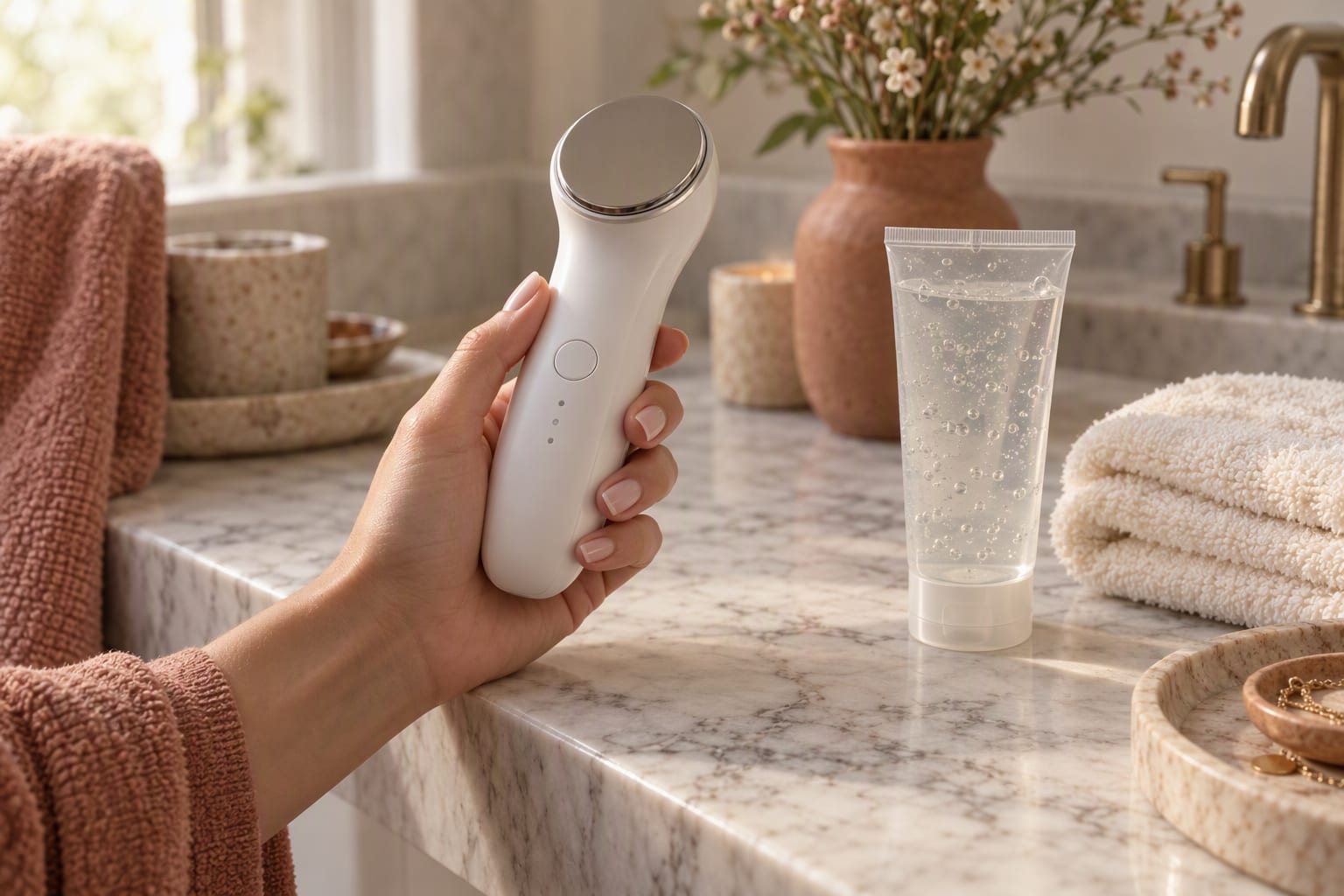
Buy it only if you will run weekly sessions for months; if you want a quick fix or a facelift result, this category will disappoint you.
The pitch for at-home radio frequency is easy to like: warm the skin, tighten what is loose, look a little firmer. The reality is slower and less dramatic than the marketing implies. If you are considering one, the useful question is not “does it work” but “will I keep doing it long enough for it to matter.”
This guide is honest about the timeline, the effort, and the line between a cosmetic device and a medical treatment.
What radio frequency is doing
Radio frequency (RF) devices deliver energy as heat into the skin. The heat is intended to warm the deeper layer, the dermis, where collagen and elastin sit. The proposed result is that controlled heating prompts the skin’s own repair response, and over time that response is associated with firmer-looking skin.
The key word is time. Collagen remodeling is a slow biological process. It does not happen in a weekend. The published research on in-office RF supports a real but gradual effect, and the at-home devices are lower-powered versions of the same idea.
That lower power is deliberate. It is what makes them safe enough to use at home without a clinician. It is also why the results are gentler and why consistency matters more than the device’s peak output.
RF is not a medical treatment, and it does not replace one. If your concern is significant laxity, a dermatologist can tell you what is realistic and what a device can and cannot do.
The timeline is the whole story
People quit RF devices for the same reason they quit new gyms: the payoff is not visible in the first two weeks.
The realistic arc, based on manufacturer guidance and published protocols, looks like this:
- Weeks 1 to 4: nothing obvious. You are building the habit and learning to move the device at an even pace.
- Months 2 to 3: some people notice a subtle change in how firm the skin feels, often described as a slight bounce.
- Months 3 to 6: the period where a maintained routine may show a modest, appearance-level difference.
- Ongoing: stop, and the effect is expected to fade, because you have stopped the stimulus.
If that timeline sounds unreasonable, the device is not for you. If it sounds acceptable, the next question is whether your week can hold the sessions.
What a real routine looks like
An at-home RF routine is not complicated, but it does have non-negotiables.
| Step | What it involves | Why it matters |
|---|---|---|
| Cleanse | Remove makeup and sunscreen | Energy needs a clean surface |
| Apply gel | A water-based conductive gel or serum | Prevents dragging and hot spots |
| Treat | Move the head in slow, overlapping passes | Even coverage avoids concentrating heat |
| Moisturize | A ceramide moisturizer afterwards | Supports the barrier after warming |
| Protect | Sunscreen every morning | Pigment is more reactive after heat |
Most manufacturers suggest one to two sessions a week, and some advise building up from a shorter first session. Follow the device’s own manual over any general advice, including this article.
The safety line you should not cross
RF devices are cosmetic, and the difference between a careful session and a careless one is mostly about heat and timing.
- Keep the head moving. Parking it in one spot concentrates heat, which is how people end up with irritation or, worse, a small burn.
- Do not treat over fillers, implants, or recent procedures without asking the professional who did the work.
- Skip it if you are pregnant, have a pacemaker, or have a skin condition in the treatment area, unless a doctor clears you.
- Do not treat broken or sunburnt skin. Wait until the skin is calm.
- Do not chase a strong sensation. Warm and comfortable is the goal; hot is a warning, not a sign it is working harder.
If a session leaves your skin red for more than a short while, or if you develop any blistering or lasting mark, stop and see a dermatologist.
Who should buy, who should skip
Buy it if: you are comfortable with a months-long timeline, you will run the sessions weekly, and your goal is a modest firmness change rather than a lift. If your routine already includes a hydrating serum and a ceramide moisturizer, RF slots in neatly.
Skip it if: you want visible change in a few weeks, you know you will not keep a schedule, or you are hoping to avoid a procedure’s cost while getting its result. RF at home is not that.
A common trap is buying an RF device and a microcurrent device at the same time. They are different tools with different timelines, and most people cannot sustain two new routines at once. Pick one, get the habit in place, and only then consider the other. Our devices and tools hub compares the categories if you are deciding between them.
The bottom line
Buy an at-home RF device if you will commit to weekly sessions for several months and you accept a modest, gradual result. Do not buy one for a fast fix, and do not buy one expecting a facelift. The honest tradeoff is simple: low risk and low cost, in exchange for a slow timeline and real effort.

More in Devices & Tools
View all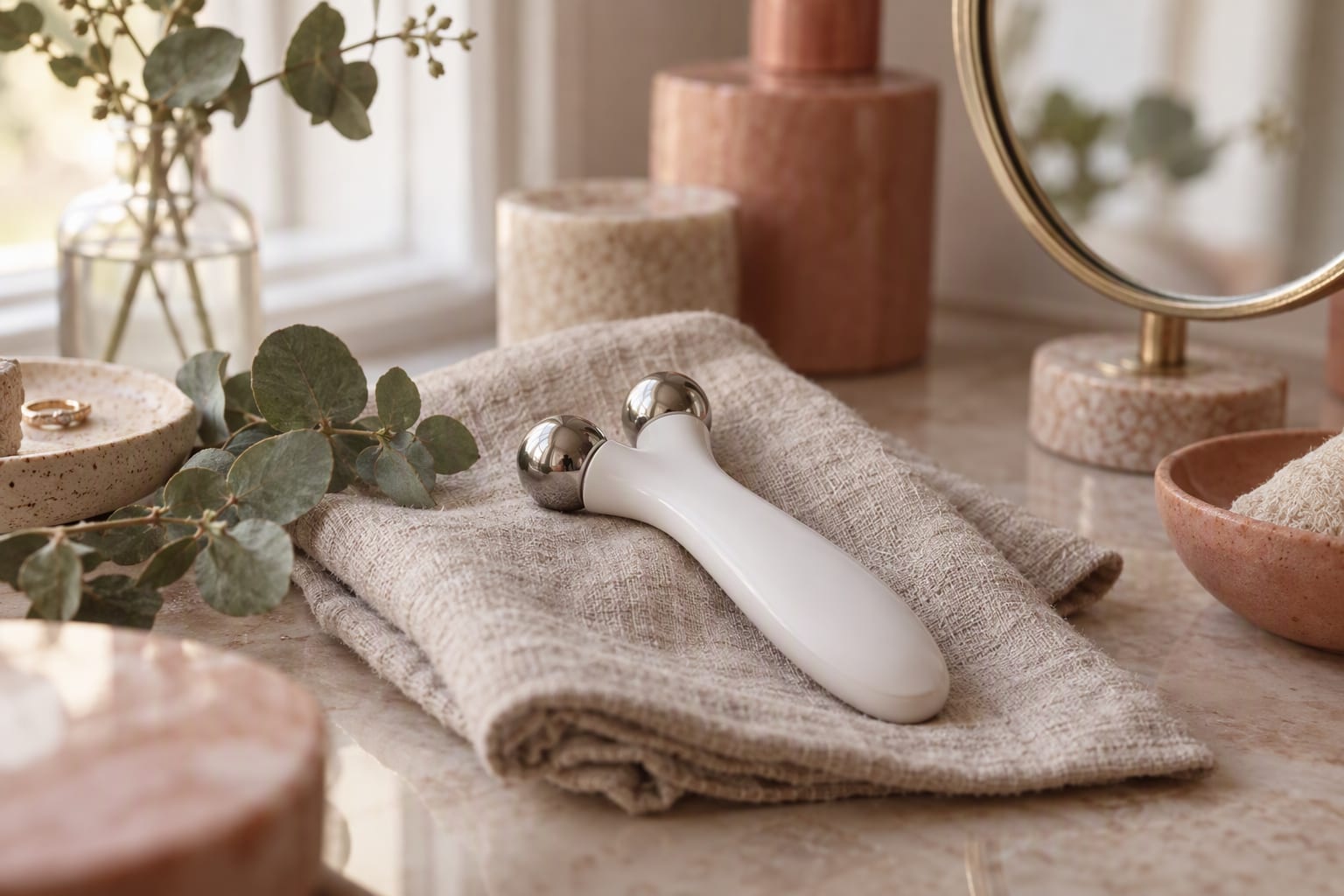
Microcurrent Devices Explained: What the Current Actually Does
Microcurrent tools promise a lifted look without needles. Here is what the published research suggests, why the results fade, and who should leave them on the shelf.
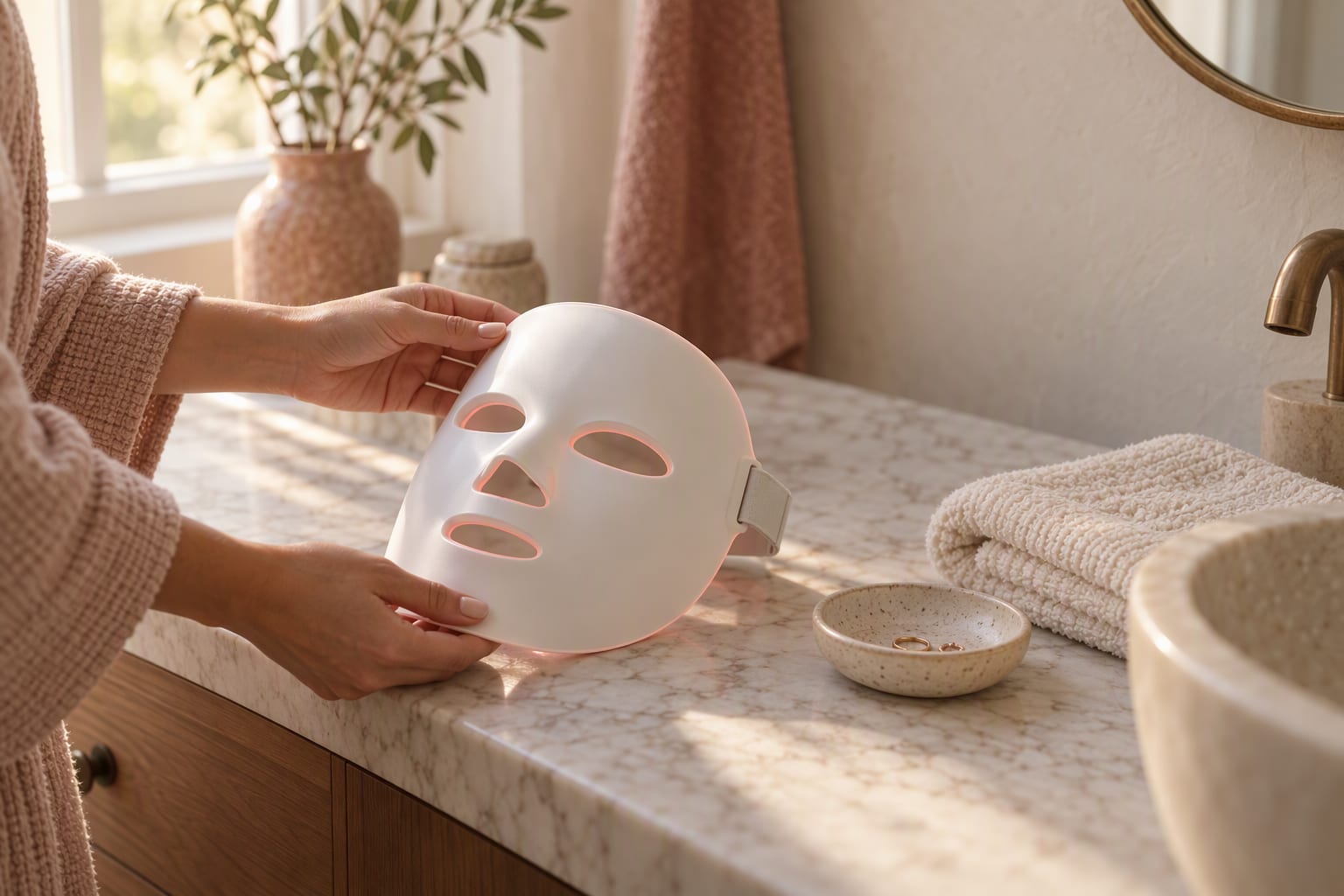
LED Light Therapy Masks: What They Actually Do (and What They Don't)
Red and blue light masks are everywhere. Here's what the published research supports, what it doesn't, and how to decide whether one deserves a place on your shelf.
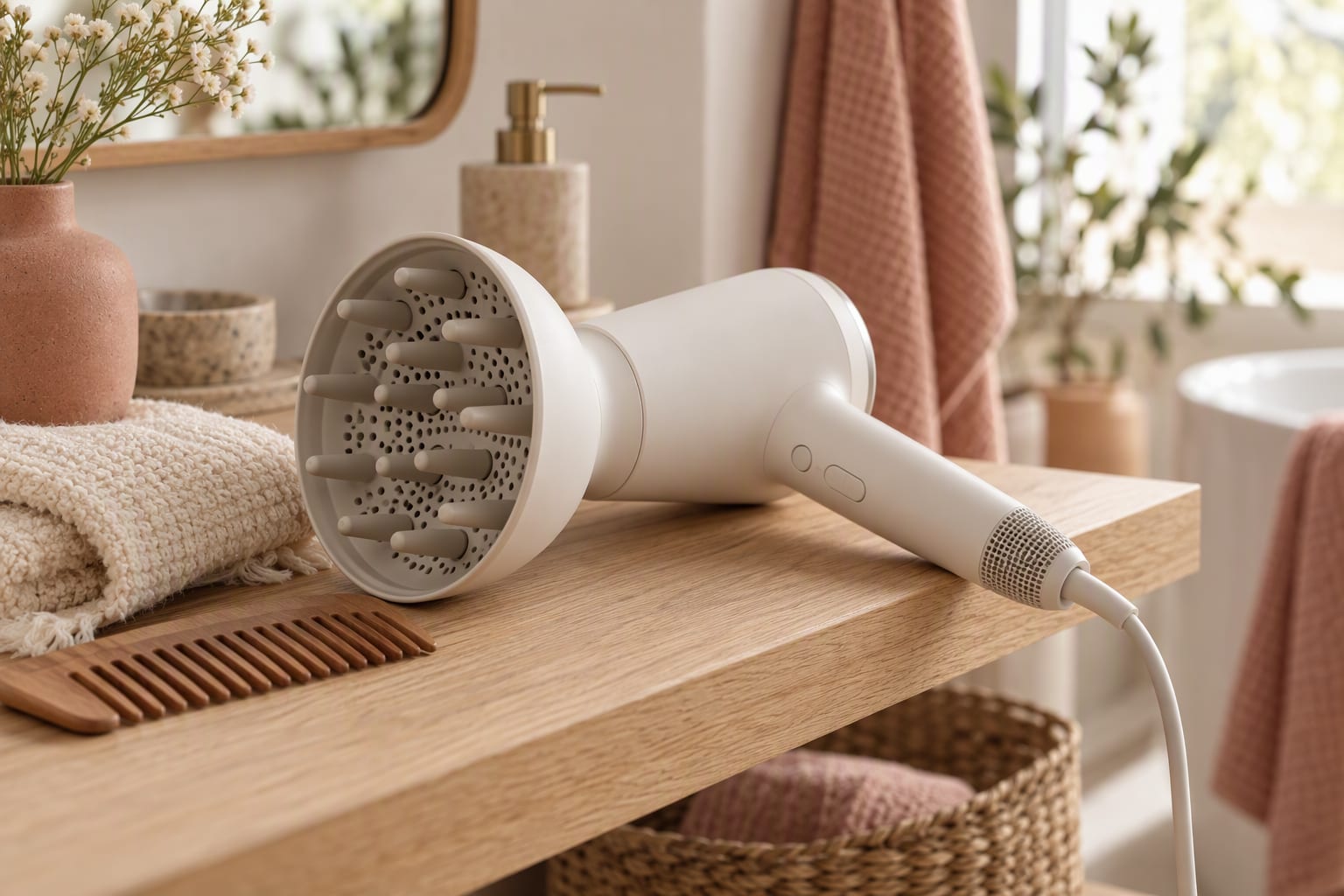
How to Choose a Hair Dryer Without Paying for Marketing
Heat and airflow matter more than ion claims and app features. Here is what actually protects hair, what to pay for, and what you can safely ignore.