A Ten-Minute Body Care Routine That Actually Gets Done
Body care fails when it is complicated. Here is the order that works, how often to exfoliate, why body SPF matters in winter, and the few products worth owning.
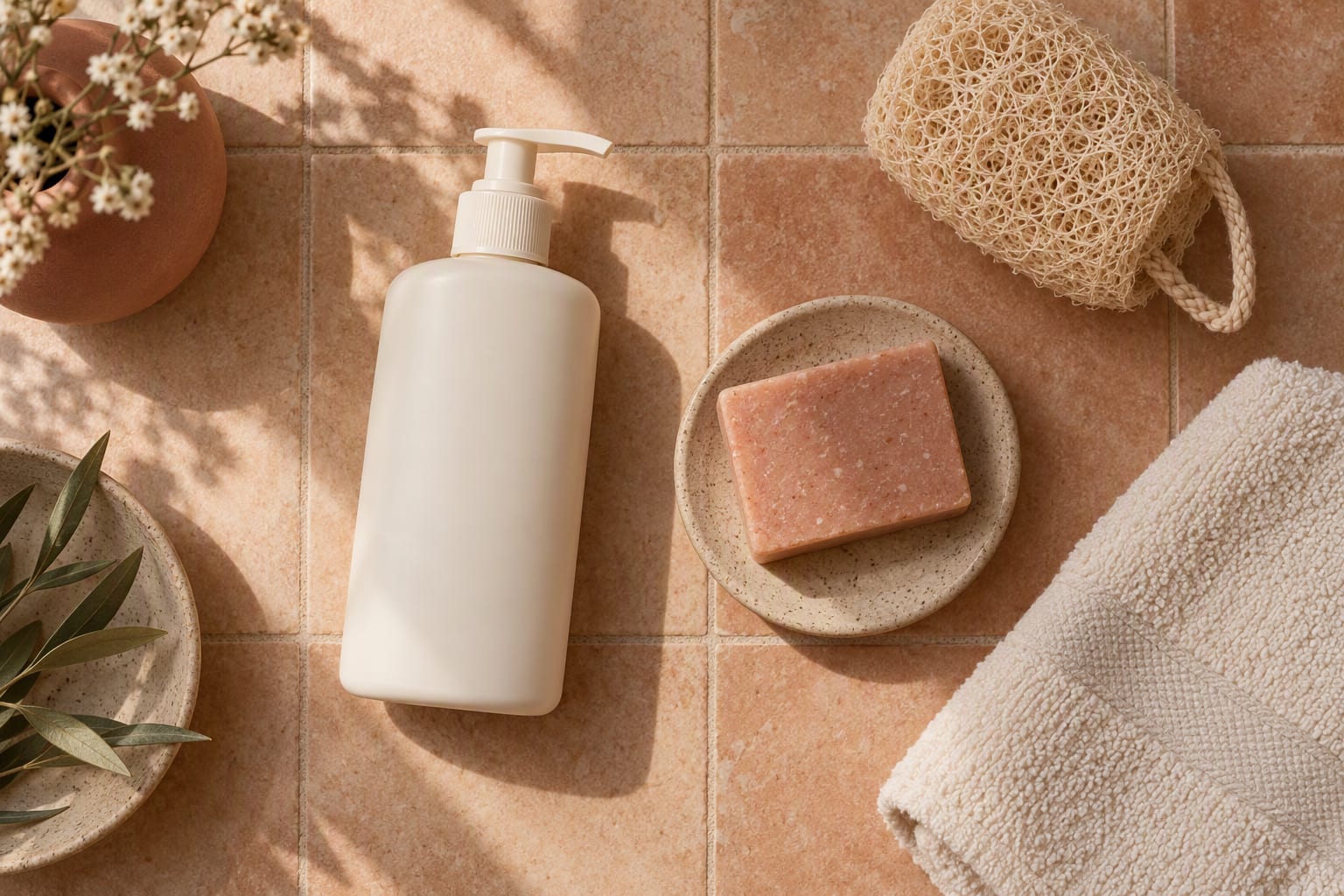
Keep it to cleanse, exfoliate occasionally, moisturize daily, and wear SPF, because a short routine you repeat beats an elaborate one you abandon.
Most body care advice is written for people who already enjoy the ritual. This is written for the rest of us, the ones stepping out of the shower with a train to catch and a vague sense that we should be doing something for our skin before we get dressed.
A good body routine takes about ten minutes, most of which is the shower you were taking anyway. The trick is doing a few things in the right order and not buying the rest.
The order that works
Body care follows the same logic as facial skin care: clean, then treat, then protect.
- Cleanse. A normal shower does this. You do not need a special body wash unless you have a specific concern like keratosis pilaris or very dry skin.
- Exfoliate, sometimes. While you are still in the shower, once or twice a week.
- Moisturize. Immediately after toweling off, while the skin is still slightly damp. This is the step most people skip and the one that pays off most.
- Protect. Sunscreen on any exposed skin, every day. Yes, in winter, and on cloudy days.
That is the whole routine. Everything else is optional.
Why moisturizing damp skin matters
Lotion applied to damp skin traps some of that water and spreads further, so you use less for the same result. If you wait until your skin is completely dry and cold, you are moisturizing skin that has already lost its moisture.
How often to exfoliate
Exfoliation removes dead surface cells and can smooth rough patches on elbows, knees, and heels. It can also, done too often, irritate skin and damage the barrier. The failure mode is almost always too much rather than too little.
| Skin type | Suggested frequency | Notes |
|---|---|---|
| Normal | Once or twice a week | Gentle scrub or a chemical exfoliant |
| Dry or sensitive | Once a week or less | Choose gentle, skip if irritated |
| Oily or prone to body acne | Two or three times a week | Do not scrub inflamed skin |
| Keratosis pilaris | Several times a week | A chemical exfoliant often suits better |
The tradeoff is straightforward. More exfoliation feels productive, but past a point it leaves skin raw and makes you need more moisturizer. If your skin stings when you apply lotion, you have exfoliated too much.
Two options work well. A physical scrub uses grains to buff the surface. A chemical exfoliant, often an acid, dissolves dead cells more evenly and can be gentler for some people. Neither is better in general; it depends on your skin.
Body SPF: the step people skip
The body is the largest sun-exposed surface you have, and the areas that burn most, such as the shoulders, chest, back, and hands, are often the ones people forget to cover. Daily body sunscreen sounds excessive until you consider that incidental sun adds up over years.
- Everyday exposure: SPF on exposed areas, meaning arms, chest, neck, and hands, on days you are outside.
- Deliberate sun time: reapply every two hours, and more often if you are swimming or sweating.
- Hands: these age visibly and are easy to cover. A hand cream with SPF, or just sunscreen, is a simple habit.
- Winter and cloudy days: UV does not take a season off. Skiing and long walks in cold sun still count.
Body SPF is one place where the format matters more than the marketing. A sunscreen you find pleasant enough to reapply is better than a premium one you leave in the cupboard.
Adjusting for the seasons
The same routine works year round, with small shifts.
Winter. Heat indoors and cold outdoors both dry the skin. Switch to a richer body lotion, moisturize more often, and do not skip SPF on bright days, especially with snow, which reflects UV.
Summer. Lighter lotions feel better, and you will reapply sunscreen more often because you are outside. A post-swim rinse and moisturize helps with salt and chlorine.
After a swim or a long flight. Both leave skin dry. Rinse off, then moisturize while skin is still damp.
What is genuinely worth buying
| Product | Worth it? | Who it suits |
|---|---|---|
| Body lotion | Yes | Nearly everyone, daily |
| Body scrub or exfoliant | Yes, if used sensibly | Rough patches, dull skin |
| Body SPF | Yes | Anyone with sun exposure |
| Hand cream | Yes, in winter | Dry hands, frequent washing |
| Fancy body wash | Rarely | Only for a specific issue |
| Body firming creams | No | Claims outrun what a cream can do |
Spend on moisturizer and sunscreen, which you will use in quantity and often. Save on body wash and skip anything promising to firm or reshape skin, which no topical product can deliver.
Buying advice: who should spend, who should skip
Spend on: a body lotion you enjoy using, because you will use it more, and a sunscreen you do not mind reapplying.
Skip: expensive shower gels and any product sold on a transformation promise. A mid-range lotion used daily beats a premium one used occasionally.
Consider for specific needs: a chemical exfoliant for keratosis pilaris, or a fragrance-free formula if your skin is reactive. Our Hair & Body hub covers how body care sits alongside hair and fragrance routines.
The bottom line
Cleanse, exfoliate occasionally, moisturize while damp, and wear SPF. Ten minutes, four steps, and no shelf of products you forget to use. If you only add one thing, add the moisturizer on damp skin.
Products mentioned
- Body lotion — the daily step, applied to damp skin after showering.
- Body scrub — for rough elbows and heels, once or twice a week.
- Body SPF — for shoulders, arms, chest, and hands, year round.
- Hand cream — for hands that dry out from washing and cold weather.



More in Hair & Body
View all
Scalp Care: Treat It Like Skin, Because That Is Exactly What It Is
Flakes and itching are scalp problems, not hair problems. Here is what a sensible scalp routine looks like, and when hair loss needs a doctor rather than a serum.

How to Wash Your Hair Properly, and Why Frequency Matters More Than Shampoo
Washing less often is a decision based on your scalp, not a trend. Here is how often to wash by hair type, why scalp and ends differ, and the mistakes that cause frizz.
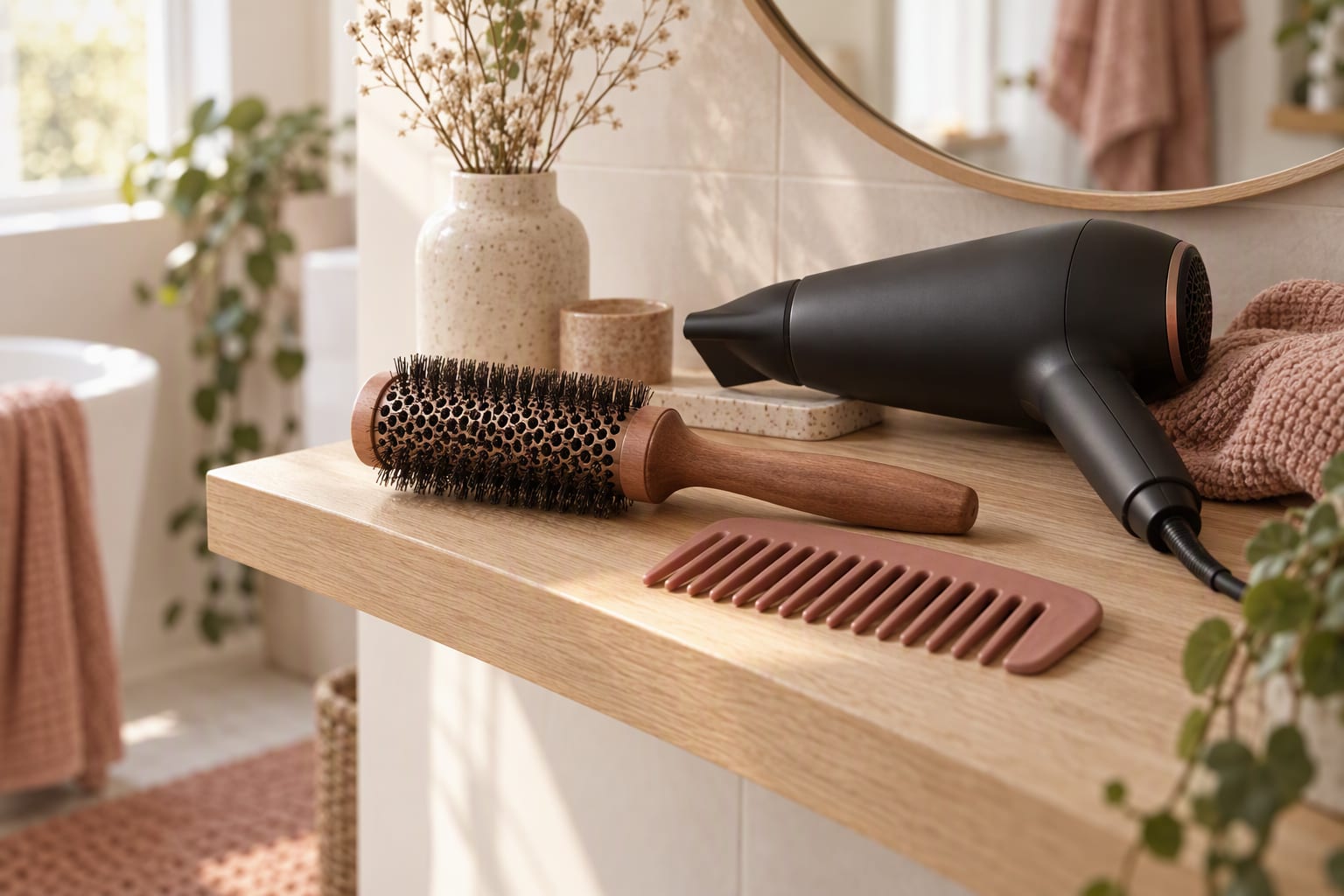
Hair Styling Tools: How Hot Is Too Hot, and How Many Passes Is Too Many
Heat damage builds up quietly, not in one session. Here is what temperature ranges are gentler, how many passes hair can take, and what a heat protectant really does.