How to Wash Your Hair Properly, and Why Frequency Matters More Than Shampoo
Washing less often is a decision based on your scalp, not a trend. Here is how often to wash by hair type, why scalp and ends differ, and the mistakes that cause frizz.
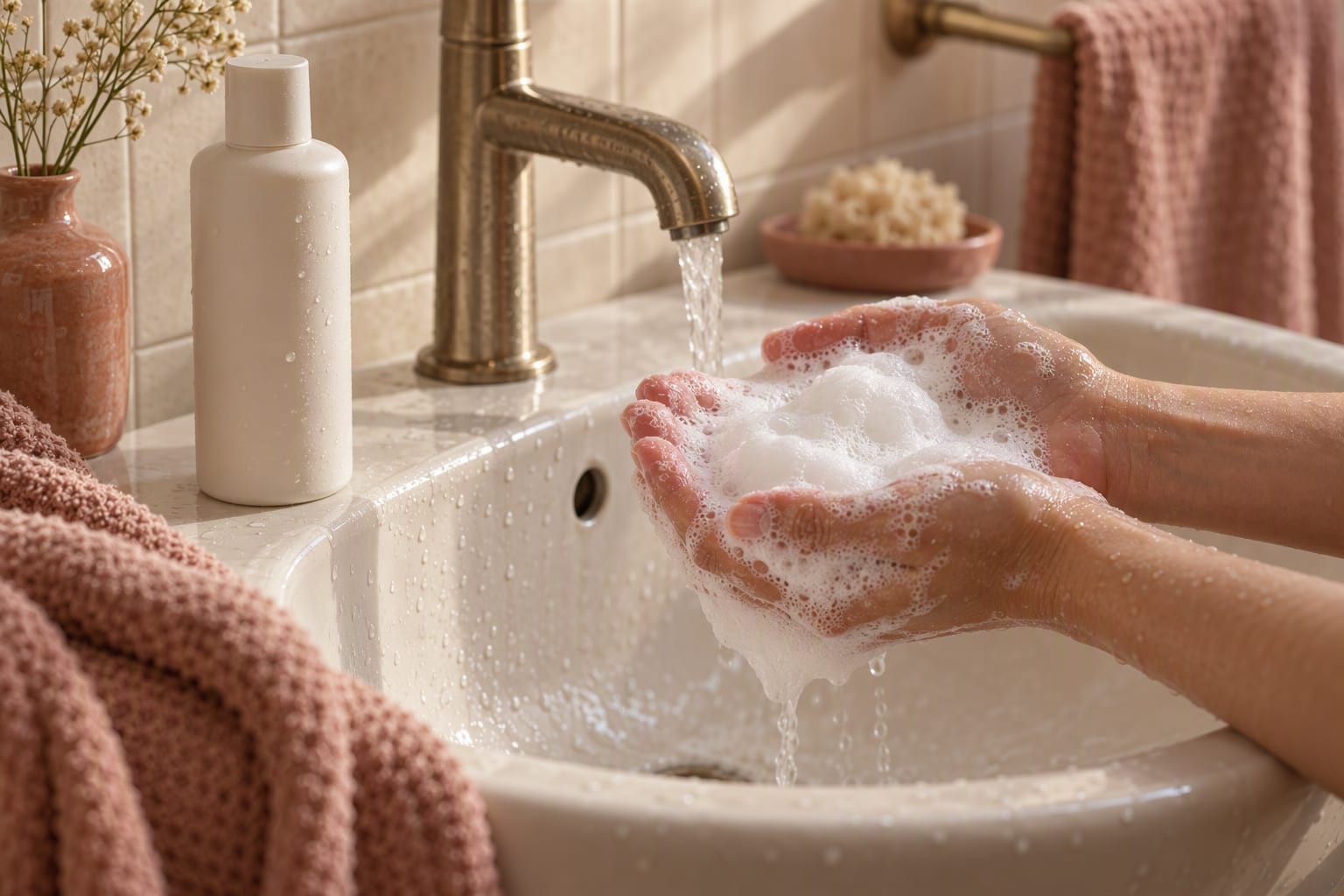
Wash your scalp, condition your ends, and match your frequency to how oily your scalp actually gets, not to a rule you read online.
You have probably been told both that you wash your hair too often and that you do not wash it enough. Both can be true, because the right frequency depends on your scalp, not a universal rule. What most people get wrong is not the number of washes. It is what they wash and how.
How often should you actually wash
The honest answer is: as often as your scalp needs, and no more. The scalp produces oil, and how much is largely genetic. Dry scalps can go several days. Oily scalps may need washing daily.
| Hair and scalp type | Typical frequency | Why |
|---|---|---|
| Oily scalp, fine hair | Daily or every other day | Oil travels down fine strands quickly |
| Normal scalp, medium hair | Every 2-3 days | Balance of freshness and comfort |
| Dry scalp, coarse hair | Every 3-4 days or longer | Less oil, and washing strips moisture |
| Curly or coily hair | Weekly or less | Curls are drier and break when handled wet |
| After swimming | Same day | Chlorine and salt are best rinsed promptly |
The advice to “train” your scalp to go longer is only partly true. You can stretch washes gradually and your scalp may adjust somewhat, but you cannot change oil production to a different set point. If your scalp is uncomfortable or itchy by day two, wash it.
Scalp versus ends: wash one, condition the other
This is the most useful habit in hair care. The scalp produces oil. The ends, especially on long hair, are older, drier, and often damaged. Treating them the same is what causes greasy roots and dry ends at once.
- Shampoo the scalp. Apply at the roots and massage there. As you rinse, the lather travels down and does enough for the lengths.
- Condition the ends. Apply from mid-length to tips, avoiding the scalp, where a heavier formula will not look greasy.
- Use a mask once a week instead of conditioner if your ends feel rough. A mask is richer and sits for a few minutes.
If your scalp is oily but your ends are dry, this split routine is the fix. You do not need two shampoos.
Water temperature and the rinse
Hot water feels good and is harder on hair and skin than most people assume. It can strip oils from the scalp and lift the cuticle, which increases friction and frizz.
- Warm, not hot, for washing.
- Cool or lukewarm for the final rinse, which reduces the stripping effect and feels refreshing.
- Rinse thoroughly. Leftover shampoo or conditioner weighs hair down and can irritate the scalp.
Technique: the small steps that matter
How you handle wet hair decides how much breakage you cause. Wet hair stretches and snaps more easily than dry hair.
- Detangle before you wash with a wide-tooth comb, so you are not combing knots on fragile wet strands.
- Do not pile hair on top of your head and scrub. That tangles long hair. Keep it hanging and work the scalp with your fingertips.
- Use fingertips, not nails. Nails scratch the scalp and can cause irritation.
- Blot, do not rub. Squeeze water out with a towel instead of scrubbing, which roughens the cuticle.
- Do not go to bed with wet hair. Damp hair is fragile against a pillowcase for hours.
Common mistakes
- Using too much shampoo. A coin-sized amount is usually plenty, and excess is hard to rinse out.
- Conditioning the scalp. This is what makes roots look flat by the afternoon.
- Washing in very hot water, then wondering why the scalp feels tight.
- Reaching for dry shampoo instead of washing. It absorbs oil and buys you a day, but it is a stopgap, not a replacement, and it builds up if used for a week straight.
- Switching products constantly. If a shampoo leaves your scalp comfortable and clean, keep it.
Our Hair & Body hub has more on building a routine around real washes.
Buying advice: who should spend, who should skip
Worth spending on: a shampoo that suits your scalp and a conditioner or mask that suits your ends. These are on your head regularly, so a formula that works is a reasonable place to spend.
Skip the upsell if: you are paying extra for “repairs split ends” claims from a shampoo. A wash-off product spends seconds on your hair. Repair claims belong to leave-in treatments and to cutting the damage off.
Do not overpay for: exotic single ingredients or luxury packaging. A well-formulated mid-range shampoo does the job. More expensive does not mean more effective at cleaning a scalp.
The bottom line
Wash your scalp, condition your ends, use warm water, and set your frequency by how your scalp feels rather than by a rule. If a routine leaves your scalp comfortable and your ends soft, you have already found the right one.
Products mentioned
- Sulfate-free shampoo — a gentler option for scalps that feel tight after washing.
- Hydrating conditioner — for the ends, applied from mid-length to tip.
- Dry shampoo — a one-day stopgap between washes, not a replacement for them.
More in Hair & Body
View all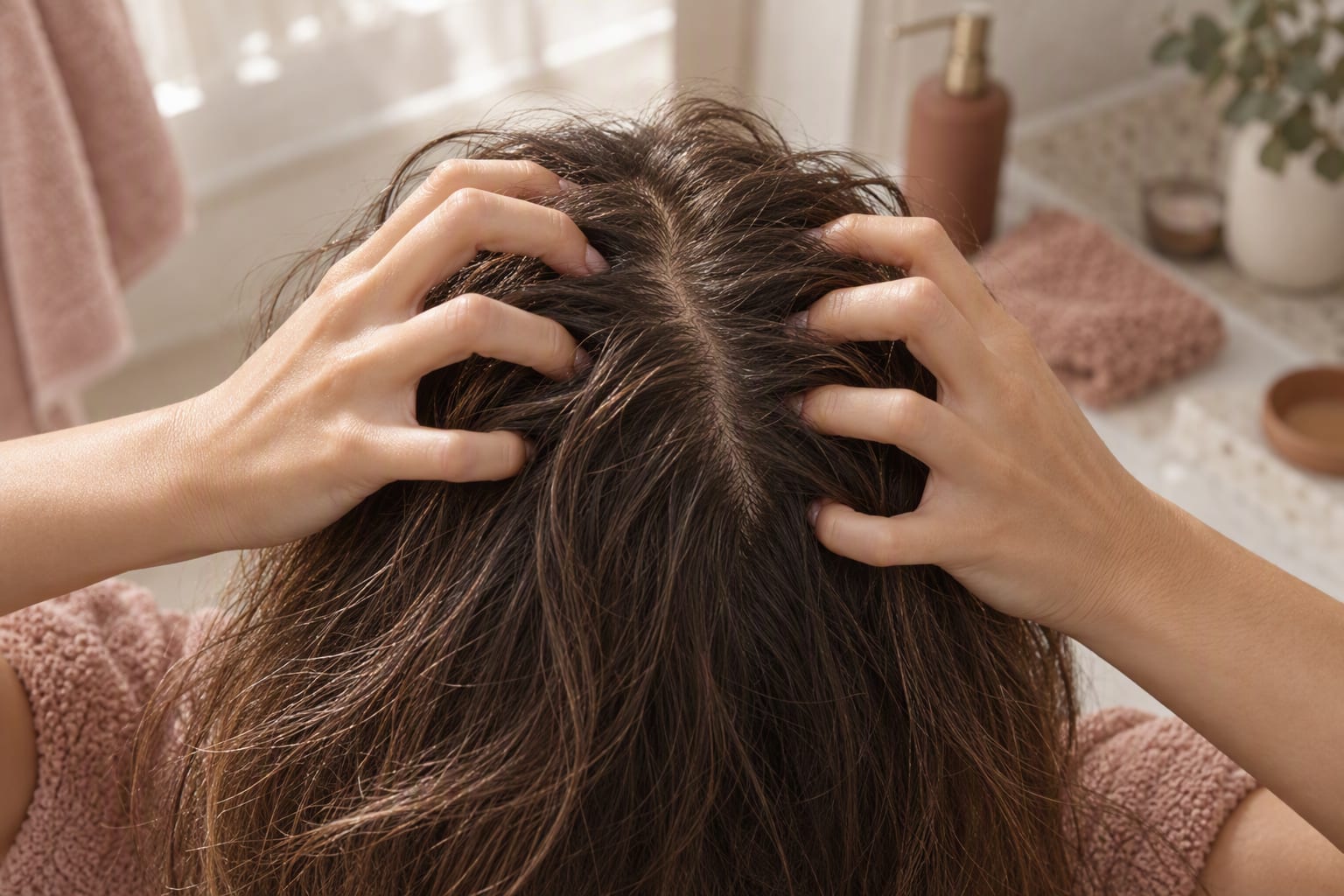
Scalp Care: Treat It Like Skin, Because That Is Exactly What It Is
Flakes and itching are scalp problems, not hair problems. Here is what a sensible scalp routine looks like, and when hair loss needs a doctor rather than a serum.
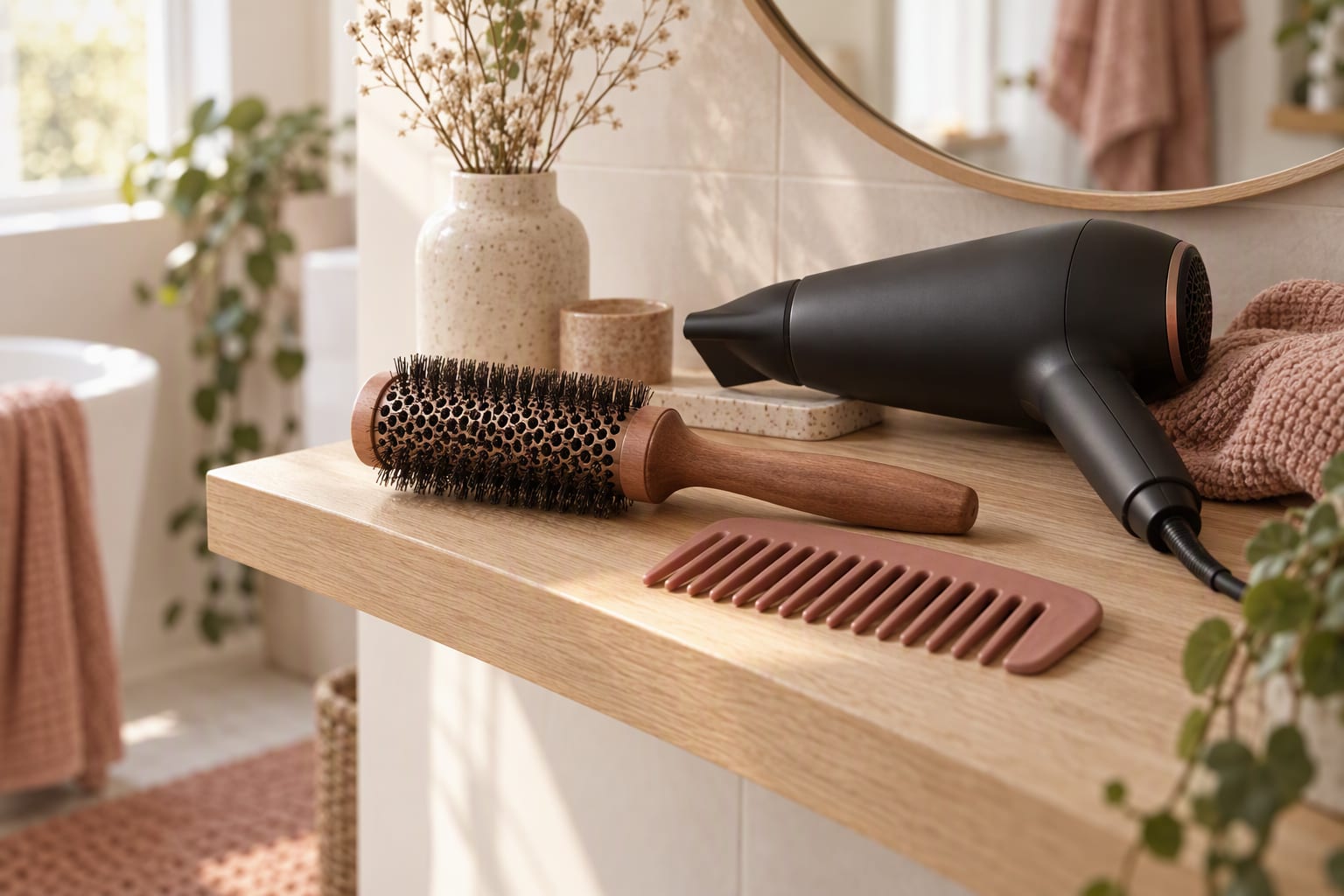
Hair Styling Tools: How Hot Is Too Hot, and How Many Passes Is Too Many
Heat damage builds up quietly, not in one session. Here is what temperature ranges are gentler, how many passes hair can take, and what a heat protectant really does.
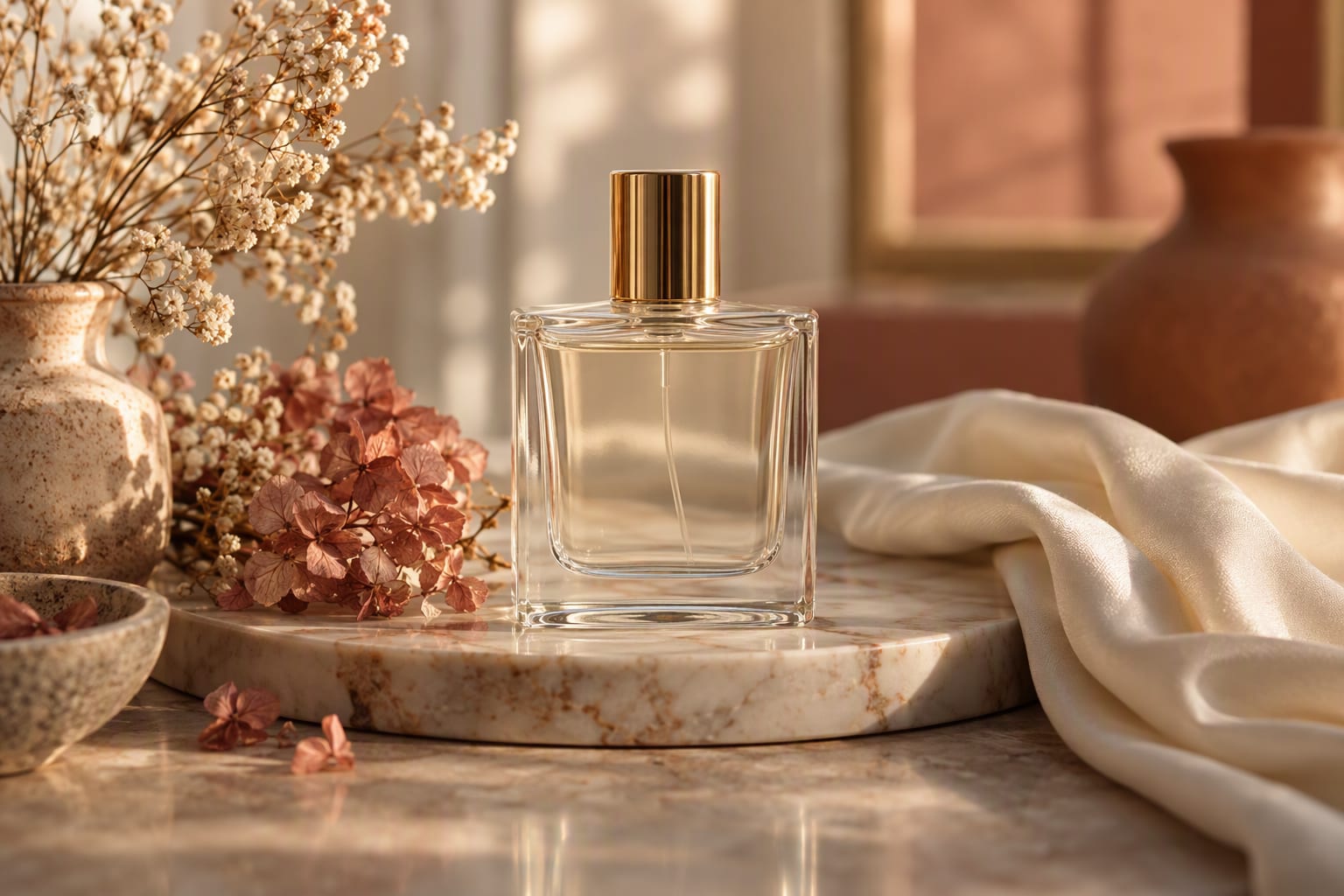
Making Fragrance Last Longer Without Reapplying All Day
Perfume fades fastest on dry skin and in hot air. Here is where to apply it, how layering works, why your fragrance disappears, and how storage shortens its life.