Do You Need a Facial Cleansing Brush?
Sonic cleansing brushes can help oily or congested skin, but they can also irritate sensitive skin. Here is who benefits, who should skip, and why hands often win.
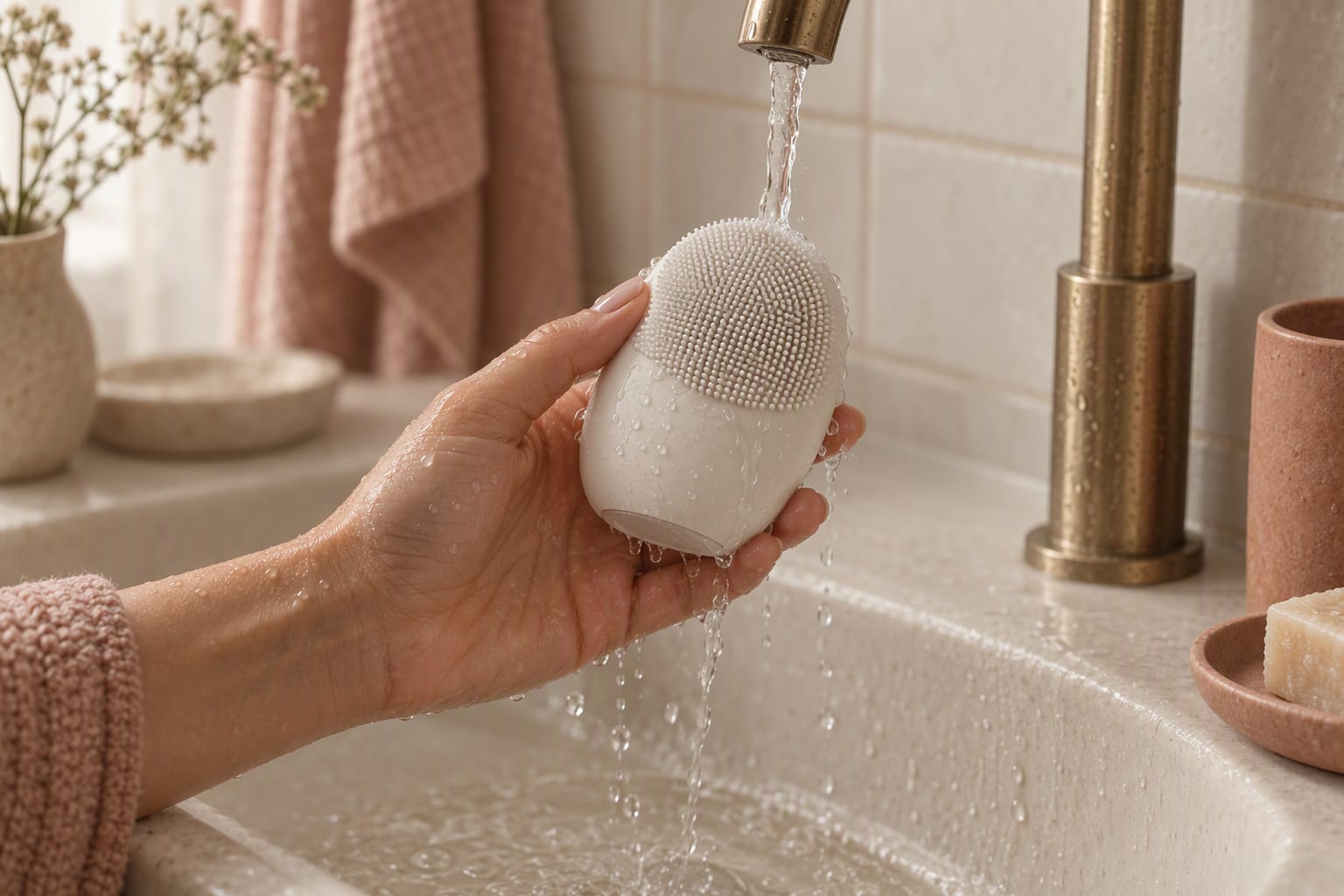
Worth it for oily, congested, makeup-heavy skin; skip it if your skin is sensitive or reactive, because hands and a gentle cleanser already do the job.
A facial cleansing brush is one of the most over-sold devices in skincare. The pitch is that your hands are not enough, that you need vibration or bristles to get truly clean. The truth is that for most people, hands and a decent cleanser are enough, and for some people a brush is actively worse.
But most people is not everyone. There is a real group who benefit, and it is worth knowing whether you are in it before you spend the money.
What a cleansing brush adds
Cleansing brushes come in two broad types: bristle brushes and silicone devices. Bristle versions physically sweep the skin, while silicone devices rely on sonic vibration to loosen debris and boost lather.
What they add over hands is mechanical action. They can lift makeup, sunscreen, and oil more thoroughly in less time, and they can reach into the creases around the nose and hairline where people tend to miss. That is a genuine benefit for some skin types.
What they do not do is deep clean your pores in the way the marketing suggests. Pores are not open containers you can scrub out, and no brush removes blackheads permanently. The mechanical action cleans the surface and helps with congestion; it does not restructure the skin.
Hands versus brush
| Situation | Hands are enough | A brush helps |
|---|---|---|
| Normal skin, light makeup | Yes | Not needed |
| Heavy makeup or sunscreen daily | Sometimes | Yes, faster and more thorough |
| Oily, congested, prone to blackheads | Sometimes | Often helpful |
| Sensitive or reactive skin | Yes, and safer | No, more likely to irritate |
| Active acne with inflammation | Yes | No, friction can worsen it |
| Dry or dehydrated skin | Yes | No, may strip the barrier |
The pattern is clear: the more oily and the less sensitive your skin, the more a brush makes sense.
The irritation trap
The most common mistake is overusing the brush. People like the clean, tingling feeling and start using it twice a day, which is a fast route to a compromised skin barrier.
Signs you are overdoing it:
- Skin feels tight, stinging, or raw after cleansing.
- Products that never used to sting now sting.
- Redness that lingers.
- Breakouts that get worse, not better.
When the barrier is damaged, the skin loses water, becomes more reactive, and can look worse than before you started. The fix is to stop the brush entirely for a while, go back to a gentle cleanser and a plain moisturizer, and let the barrier recover. A simple barrier cream can help during that reset.
Who actually benefits
Benefits most: people with oily or combination skin, people who wear heavy makeup or daily sunscreen and find it hard to remove, and people with congested skin who do not have active inflammation. If you fall into one of those groups and you enjoy the ritual, a brush can be a reasonable addition.
Benefits little: people with normal, balanced skin who cleanse gently already. For you, the brush is a solution to a problem you do not have.
Should skip entirely: people with sensitive, reactive, or rosacea-prone skin; people with active, inflamed acne; and anyone whose barrier is already struggling from too many actives. For these groups, friction is the enemy, and hands are the safer tool.
How to use one without wrecking your barrier
If you are going to use one, use it well.
- Start slowly. Once or twice a week, not twice a day.
- Use a gentle cleanser. A brush plus a harsh or exfoliating cleanser is a recipe for irritation. Pair it with something simple.
- Light pressure only. Let the device do the work. Pressing harder does not clean better; it just irritates.
- Avoid the eye area. The skin there is thin and does not need scrubbing.
- Clean the device. Bristle brushes need regular cleaning and periodic head replacement, and silicone devices need washing after use. A dirty brush is a skin problem waiting to happen.
- Follow with moisturizer. Cleansing this thorough can leave skin drier, so replace what you removed.
And if you are using a brush, you do not also need a daily exfoliating acid or a scrub. One form of mechanical or chemical exfoliation at a time is enough, and stacking them is the most common route to a damaged barrier. Our skincare section covers how to sequence cleansers, actives, and moisturizers without overloading your skin.
The bottom line
Buy a cleansing brush if your skin is oily, congested, or wears a lot of makeup, and use it a couple of times a week, not daily. Skip it if your skin is sensitive, reactive, or inflamed, because for you the brush is more likely to cause problems than solve them. For most people, hands and a gentle cleanser are the honest answer, and a brush is a nice extra rather than a necessity.


More in Devices & Tools
View all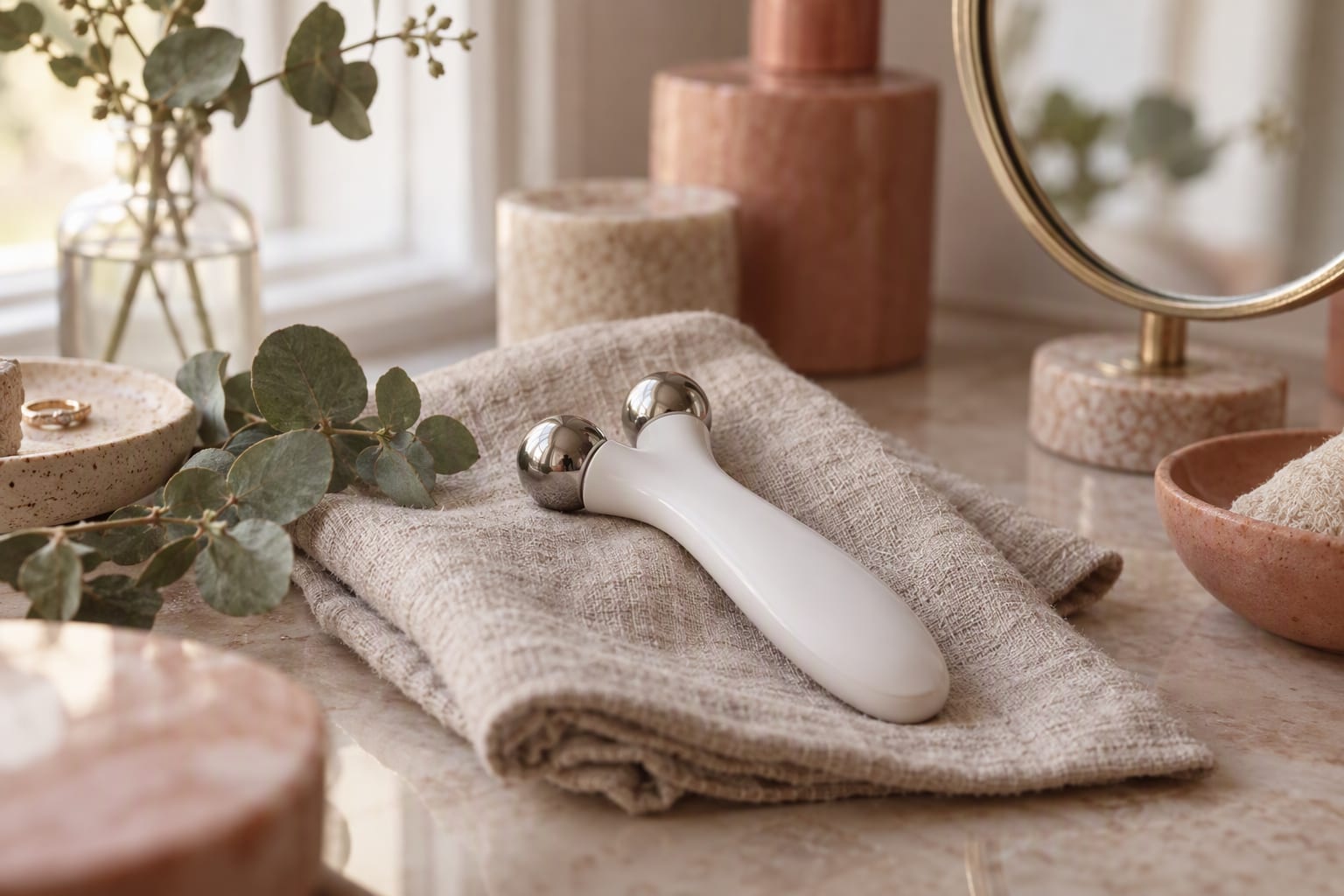
Microcurrent Devices Explained: What the Current Actually Does
Microcurrent tools promise a lifted look without needles. Here is what the published research suggests, why the results fade, and who should leave them on the shelf.
LED Light Therapy Masks: What They Actually Do (and What They Don't)
Red and blue light masks are everywhere. Here's what the published research supports, what it doesn't, and how to decide whether one deserves a place on your shelf.
How to Choose a Hair Dryer Without Paying for Marketing
Heat and airflow matter more than ion claims and app features. Here is what actually protects hair, what to pay for, and what you can safely ignore.