Flat Iron vs Curling Wand: Which to Buy First
If you buy only one heat tool, which should it be? Here is how each works, how to use both without damage, and the honest case for buying neither.
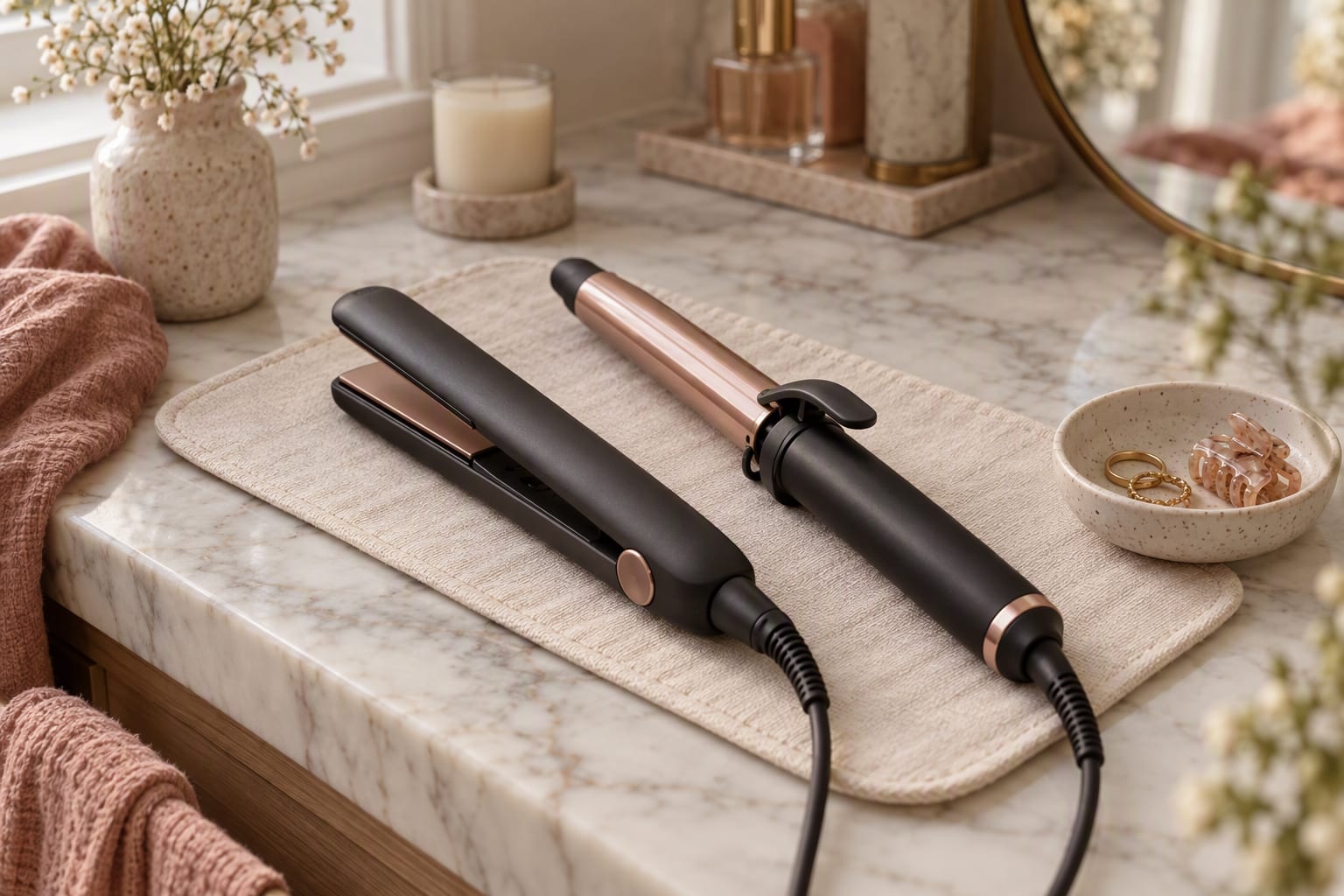
Buy a flat iron first if your hair is straight or you want one tool that does more; buy a wand only if you will actually wear curls.
Most people who own both a flat iron and a curling wand reach for one of them far more often than the other. That is the clue to the whole decision. The tool you will use daily is the one worth buying first, and for a lot of people that is the flat iron.
This is not a case for one being better. It is a case for buying the one that matches the hair you actually have and the look you actually wear, and for using whichever you choose in a way that does not wreck your ends.
The honest difference between them
A flat iron has two heated plates that clamp together. You pass a section of hair between them, and the combination of heat and pressure straightens it. That same pressure is what lets you bend hair into waves and curls when you rotate the tool as you pull.
A curling wand is a single heated barrel. You wrap hair around it, hold, and release. There is no clamp, which means it is harder to learn but can produce a smoother, more natural curl once you have the motion down.
So the real difference is not straight versus curly. A flat iron can curl, and a wand cannot straighten. The flat iron is the more versatile tool, and the wand is the more specialized one.
Which one first
| If this is you | Buy this first | Why |
|---|---|---|
| Straight hair, wants smooth or lightly waved | Flat iron | Does both, fewer tools |
| Wavy hair, wants to straighten sometimes | Flat iron | The straightening job needs plates |
| Hair you rarely straighten, wants curls | Curling wand | Better curls, easier to place |
| Short hair or a bob | Flat iron | Wands are awkward on short lengths |
| Very fine hair | Flat iron, on low heat | More control over pressure and heat |
| Curious about both, wants one tool | Air styler | Dries and shapes with air, not plates |
If you are genuinely undecided, the flat iron is the safer first purchase because it covers more ground. If you already know you wear curls most days and rarely straighten, buy the wand and skip the compromise.
Using a flat iron without frying your ends
The flat iron gets blamed for damage, but most of that damage is technique, not the tool.
- Start with completely dry hair. Running a flat iron over damp hair boils the water inside the strand, which is far more damaging than the heat itself.
- Apply heat protectant first. Before any heat, always.
- Use the lowest temperature that works. Fine hair often straightens well below the top setting. Thick, coarse hair needs more, but start lower and add heat only if needed.
- Take clean, even sections. Too much hair in one pass means you go over it repeatedly, and repetition is where damage builds.
- Keep it moving. One smooth pass beats three slow ones. Do not park the plates.
- Mind the ends. They are the oldest, most fragile part of the hair. A quick pass, not a long hold.
Using a wand without frying your ends
A wand is trickier because there is no clamp to keep hair in place, so people hold sections longer than they should.
- Use the glove. It is not a gimmick. It keeps you from touching a hot barrel.
- Wrap in even sections. Uneven wraps create uneven curls and force extra passes.
- Wrap away from the face for a softer look, or toward it for a tighter, more defined curl. Pick one direction and stay with it.
- Hold for a few seconds, then release. If you need to re-wrap a section, the heat is too low or the section is too thick, not too short.
- Do not wrap to the very tip tightly. Leave the last inch free to avoid a crimped, fried end.
- Let curls cool before you touch them. Cooled curls hold their shape longer, which means less re-styling and less heat.
Heat protection, temperature, and a realistic routine
The single most useful habit for either tool is heat protection applied to dry hair before styling. It is cheap, it takes seconds, and it is the difference between styling your hair and slowly damaging it.
Beyond that, the routine that keeps hair healthy is boring: wash when you need to, use a weekly conditioning mask if your hair is dry, keep the temperature moderate, and give your hair days off from heat. No one’s hair tolerates daily high heat for years without paying for it.
If you want to reduce heat overall, an air-based styler is worth considering, because it shapes hair with warm air rather than hot plates. It is a different approach, not a better flat iron, and our devices and tools hub explains where it fits.
Who should buy neither
Skip both if your hair is healthy and you like it the way it is, or if you already know that any heat tool ends up unused. A good haircut and a decent blow-dry can carry a lot of looks without a hot plate. And if your main concern is damage, the honest answer is that using less heat is more effective than buying a fancier tool.
The bottom line
Buy a flat iron first if you want one tool that can straighten and curl, especially for short or fine hair. Buy a curling wand if you wear curls regularly and rarely straighten. Whichever you choose, spend on even heat and good temperature control, and spend nothing on the promise that a tool can outrun bad technique.
More in Devices & Tools
View all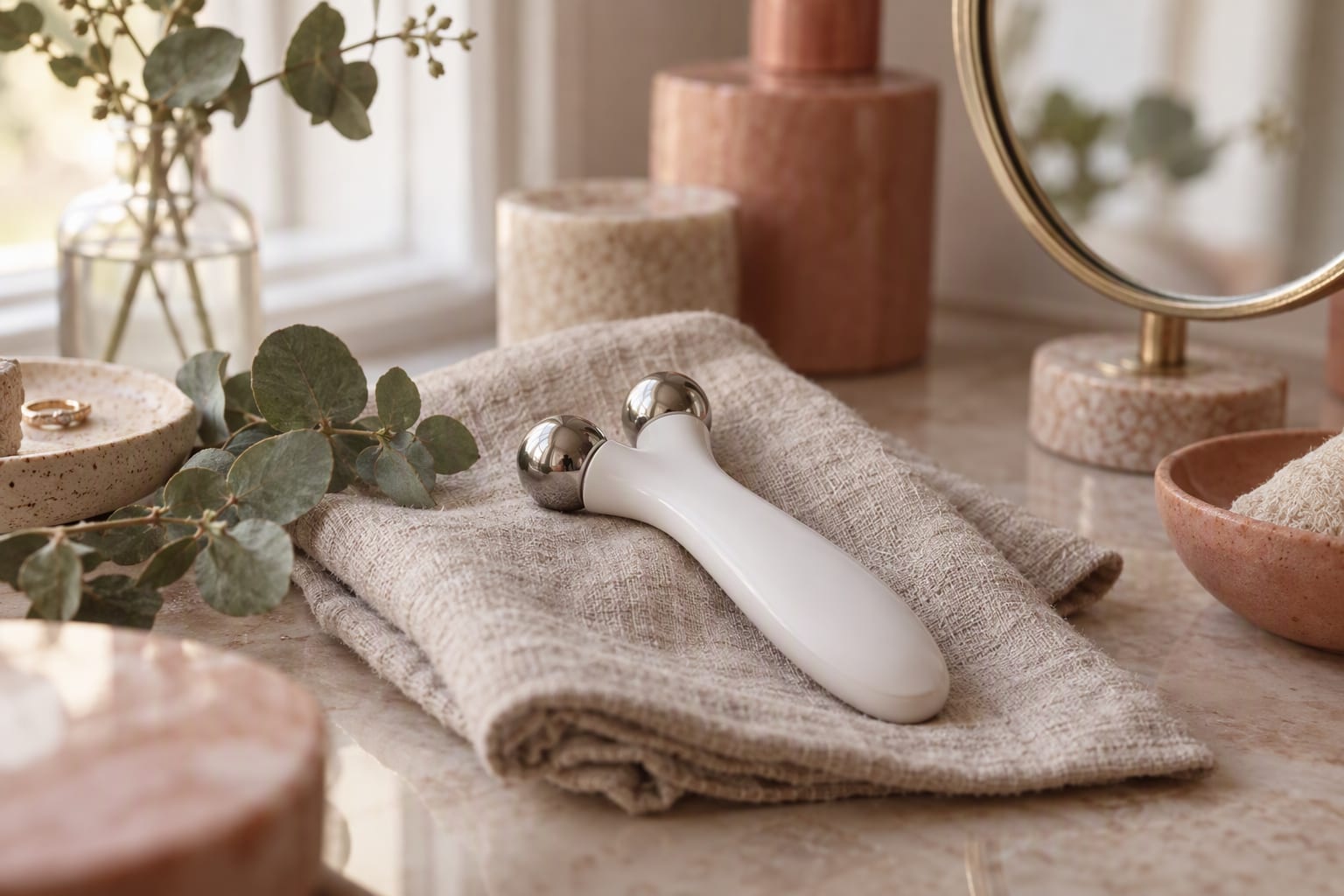
Microcurrent Devices Explained: What the Current Actually Does
Microcurrent tools promise a lifted look without needles. Here is what the published research suggests, why the results fade, and who should leave them on the shelf.
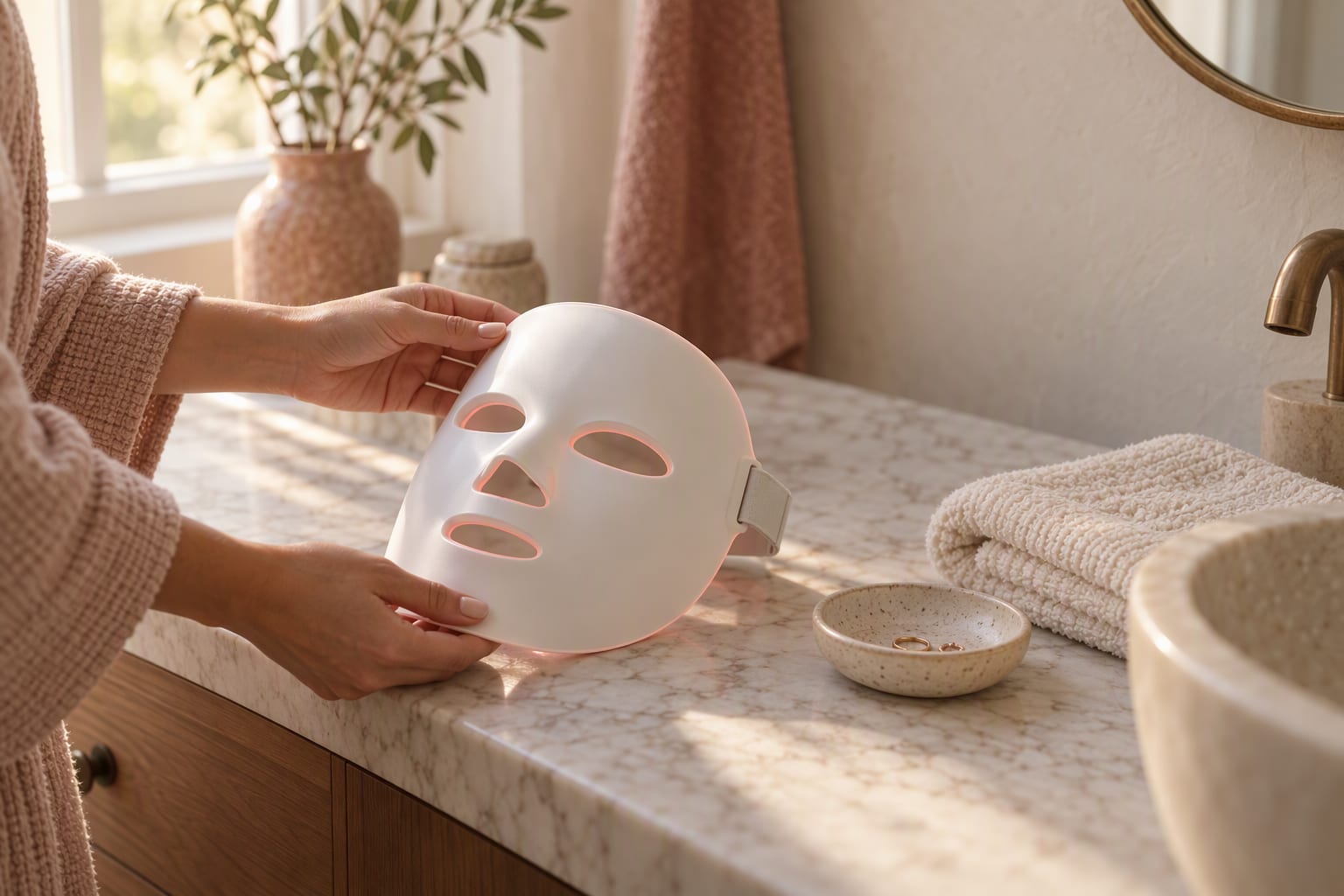
LED Light Therapy Masks: What They Actually Do (and What They Don't)
Red and blue light masks are everywhere. Here's what the published research supports, what it doesn't, and how to decide whether one deserves a place on your shelf.
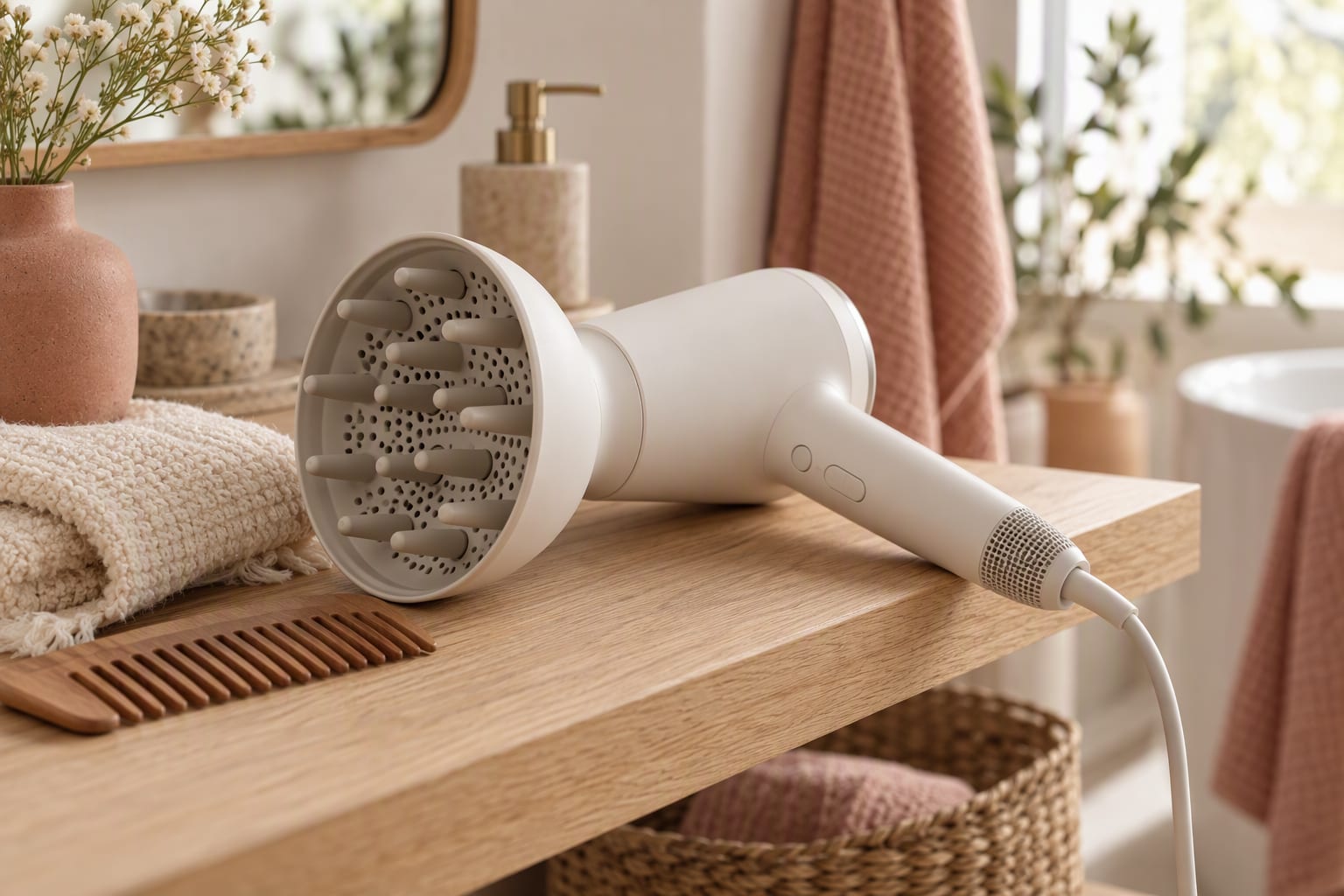
How to Choose a Hair Dryer Without Paying for Marketing
Heat and airflow matter more than ion claims and app features. Here is what actually protects hair, what to pay for, and what you can safely ignore.