Making Fragrance Last Longer Without Reapplying All Day
Perfume fades fastest on dry skin and in hot air. Here is where to apply it, how layering works, why your fragrance disappears, and how storage shortens its life.
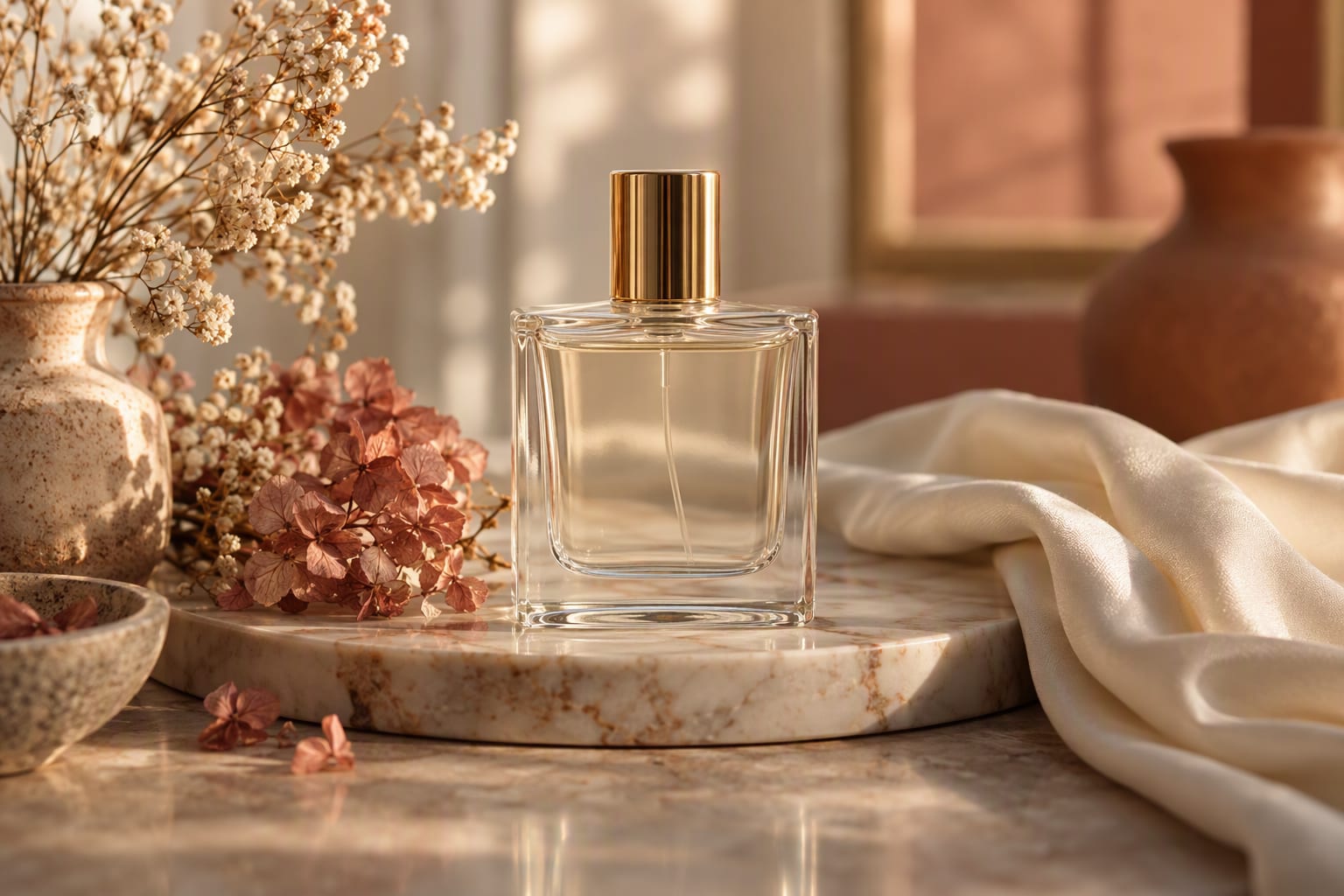
Moisturize first, apply to pulse points and clothing, and store the bottle away from light and heat, because most fading is about skin and storage, not the scent itself.
You spray, you leave the house, and by lunchtime the scent is gone. It is one of the most common fragrance frustrations, and it is rarely the perfume’s fault. Fragrance lasts differently on different people for reasons that are mostly controllable: how moist your skin is, where you apply it, and how the bottle has been stored.
Why dry skin loses scent
Fragrance needs something to cling to. The oils in your skin hold onto the scent molecules and release them slowly over the day. Dry skin has less of that, so the fragrance evaporates faster and fades sooner.
This is why the same perfume can last all day on one person and an hour on another. It is not that one person is “better” at wearing it. Their skin simply holds moisture differently.
The fix is simple and cheap: moisturize before you spray. An unscented body lotion or cream creates a base that slows the release of the scent. Fragrance-free is best here, so it does not compete with the perfume. If you use a scented lotion, choose one in the same family rather than one that fights it.
Where to apply it
Where you spray matters as much as how much you spray.
- Pulse points: wrists, inner elbows, base of the throat, behind the ears. These areas are warmer, which helps the scent project.
- Do not rub your wrists together. It is a habit almost everyone has, and it crushes the top notes and speeds up fading. Spray and let it dry.
- Chest and décolletage: close to the nose, so you notice the scent yourself.
- Hair and clothing: fabric holds scent longer than skin. A light mist on a scarf, coat collar, or the inside of a jacket can outlast skin application by hours.
- Behind the knees or on the calves: the scent rises as you move, which can be effective on a warm day.
A useful pattern is one spray on skin and one on fabric. That gives you both a personal scent bubble and a slower-release version in the cloth.
Layering, without the sales pitch
Layering means building a fragrance from more than one product so it lasts longer and smells fuller. It works, but it is often oversold as a way to create a completely custom scent.
- Start with a matching or neutral base. A body lotion or cream, ideally in the same scent family, goes on first.
- Add the fragrance on top, on skin and fabric.
- Optionally, a matching hair mist or body spray adds a lighter layer that lingers in the hair.
The honest note: you do not need an entire matching line of shower gel, lotion, and mist to make a fragrance last. A plain moisturizer under your perfume does most of the work. Buying the full set is a preference, not a requirement, and the tradeoff is cost for a marginal gain.
Concentration matters too. Higher concentrations of fragrance oils generally last longer, so the same scent can behave very differently depending on its strength.
| Concentration | Typical longevity | Best for |
|---|---|---|
| Eau de toilette | Shorter | Fresh, light daily wear |
| Eau de parfum | Longer | All-day wear |
| Parfum or extract | Longest | Evening, special occasions |
If you love a scent and wish it lasted, a higher concentration of the same fragrance may help more than any application trick.
Storage: the quiet reason a bottle fades
Fragrance degrades over time, and heat, light, and air speed that up. A bottle kept on a sunny windowsill or in a steamy bathroom will change faster than one kept in a cool, dark place.
- Store bottles away from direct sunlight. A drawer or a closed box is ideal.
- Avoid heat. A warm bathroom is a poor long-term home for perfume.
- Keep the cap on and minimize air exposure. Oxidation changes the scent over time.
- Travel carefully. Heat in a car or a hot suitcase can affect a bottle, so decant into a small travel spray.
A fragrance does not last forever. Citrus-forward scents tend to fade and turn sooner than heavier, resinous ones. If a bottle smells sharp, sour, or noticeably different from when you bought it, it has aged, and no application trick will bring it back.
Applying on the go
For long days, a small travel spray is more practical than a full bottle. Reapply lightly to fabric and one pulse point rather than layering heavily on skin, which can become overpowering in a warm room.
Buying advice: who should spend, who should skip
Worth buying: a fragrance you genuinely like, an unscented body lotion to wear underneath it, and a small travel spray for reapplying. These cover almost every longevity problem.
Skip it if: you are being sold a full matching set purely for lasting power. A neutral lotion does the same job for less.
Do not overpay for: “long-lasting” claims on a light concentration, or gimmicks like applying with a special tool. If you want more staying power, the honest move is a higher concentration or a fabric application. Our Hair & Body hub covers how fragrance fits with skin and body care.
The bottom line
Fragrance fades fastest on dry skin and in light and heat. Moisturize first, apply to pulse points and fabric, do not rub, and store the bottle somewhere cool and dark. Do those four things and your perfume will last noticeably longer, whatever the concentration.
Products mentioned
- Fragrance — the scent itself, ideally in a concentration that suits how long you want it to last.
- Body lotion — an unscented base that gives the fragrance something to cling to.
- Hand cream — a small scent-carrier for your bag when you want a top-up.
More in Hair & Body
View all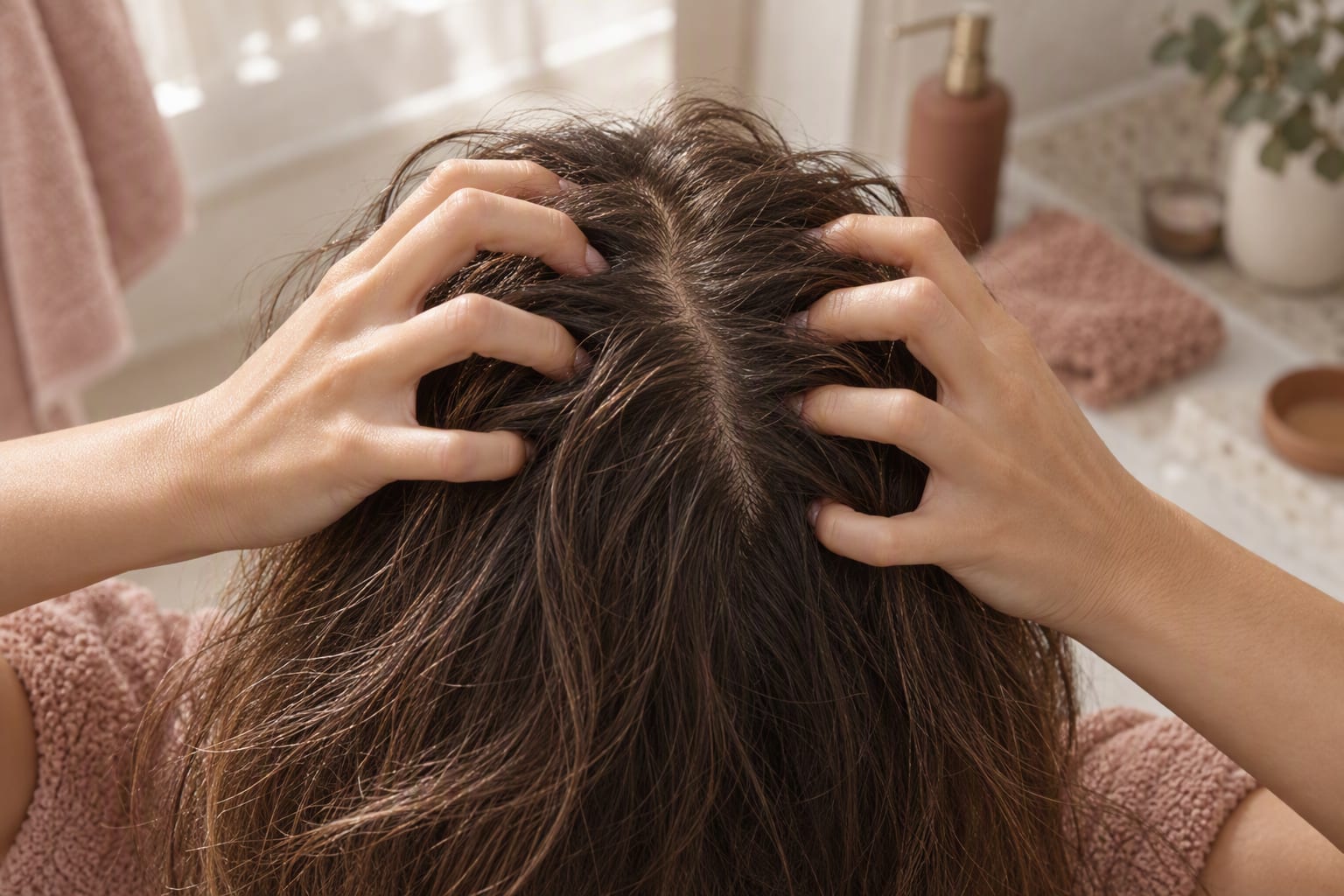
Scalp Care: Treat It Like Skin, Because That Is Exactly What It Is
Flakes and itching are scalp problems, not hair problems. Here is what a sensible scalp routine looks like, and when hair loss needs a doctor rather than a serum.
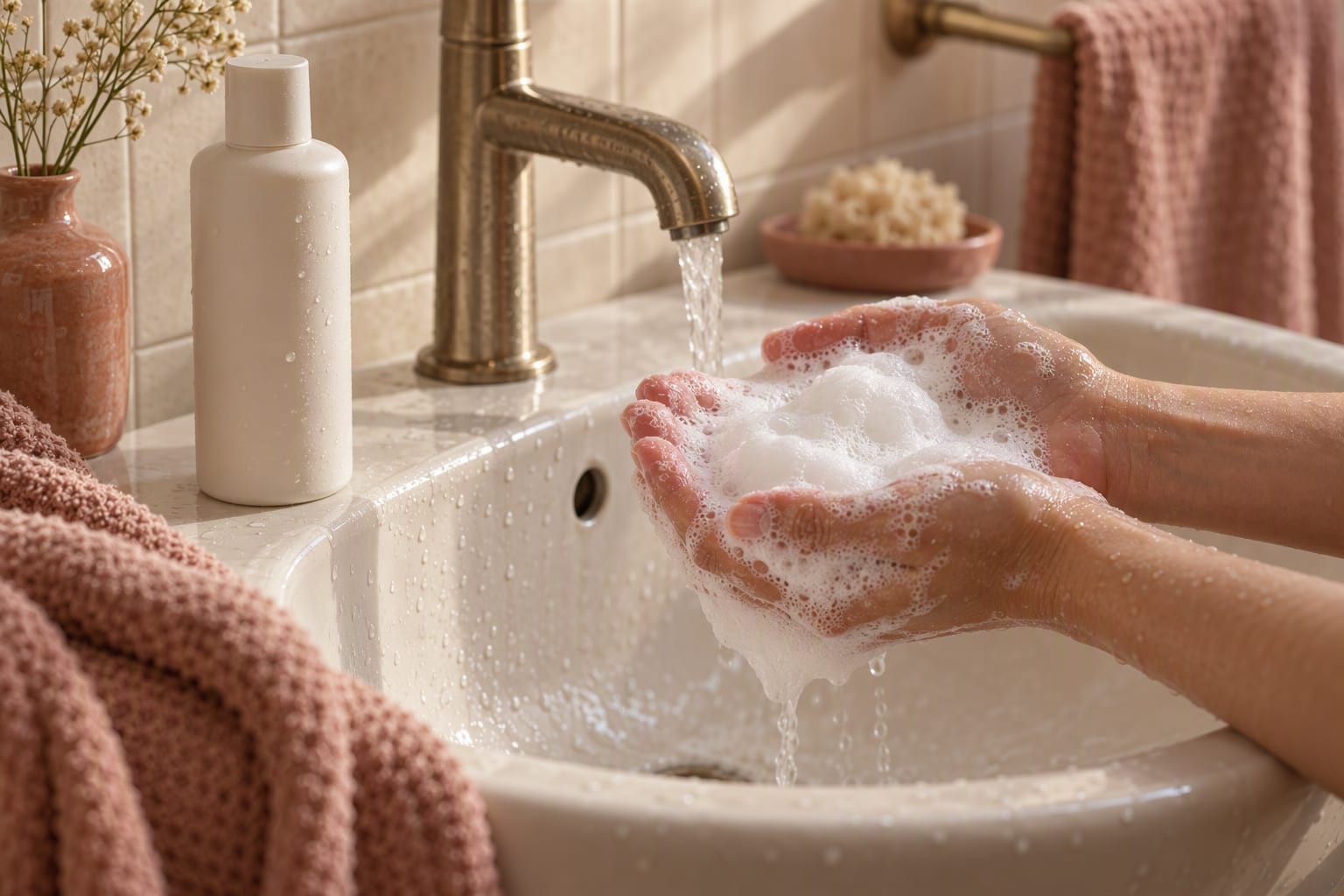
How to Wash Your Hair Properly, and Why Frequency Matters More Than Shampoo
Washing less often is a decision based on your scalp, not a trend. Here is how often to wash by hair type, why scalp and ends differ, and the mistakes that cause frizz.
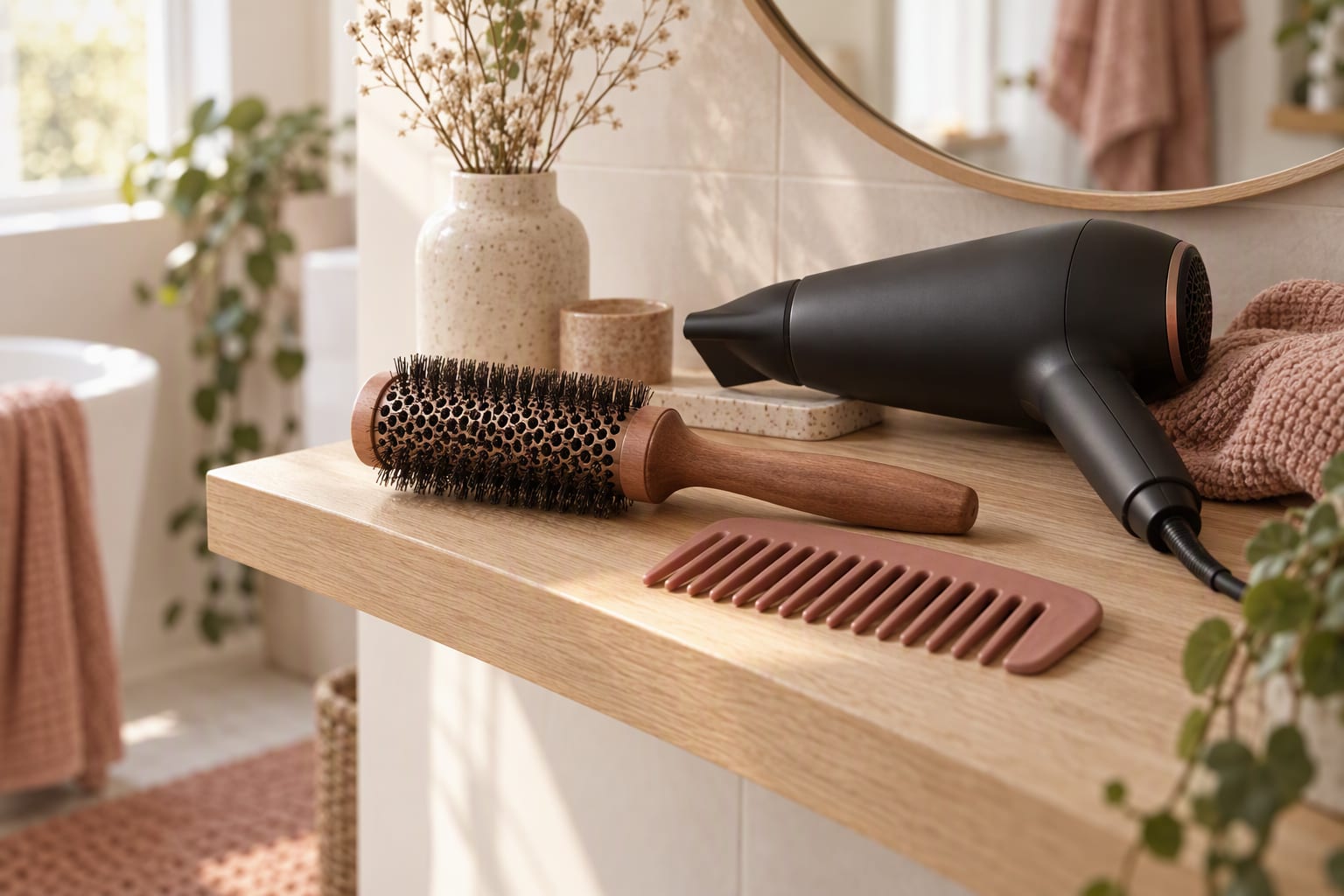
Hair Styling Tools: How Hot Is Too Hot, and How Many Passes Is Too Many
Heat damage builds up quietly, not in one session. Here is what temperature ranges are gentler, how many passes hair can take, and what a heat protectant really does.