How to Make Your Makeup Last Through a Long Day
Long wear is a method, not a product. How to prep, layer, and set makeup so it survives a commute, an office day, and an evening you did not plan for.
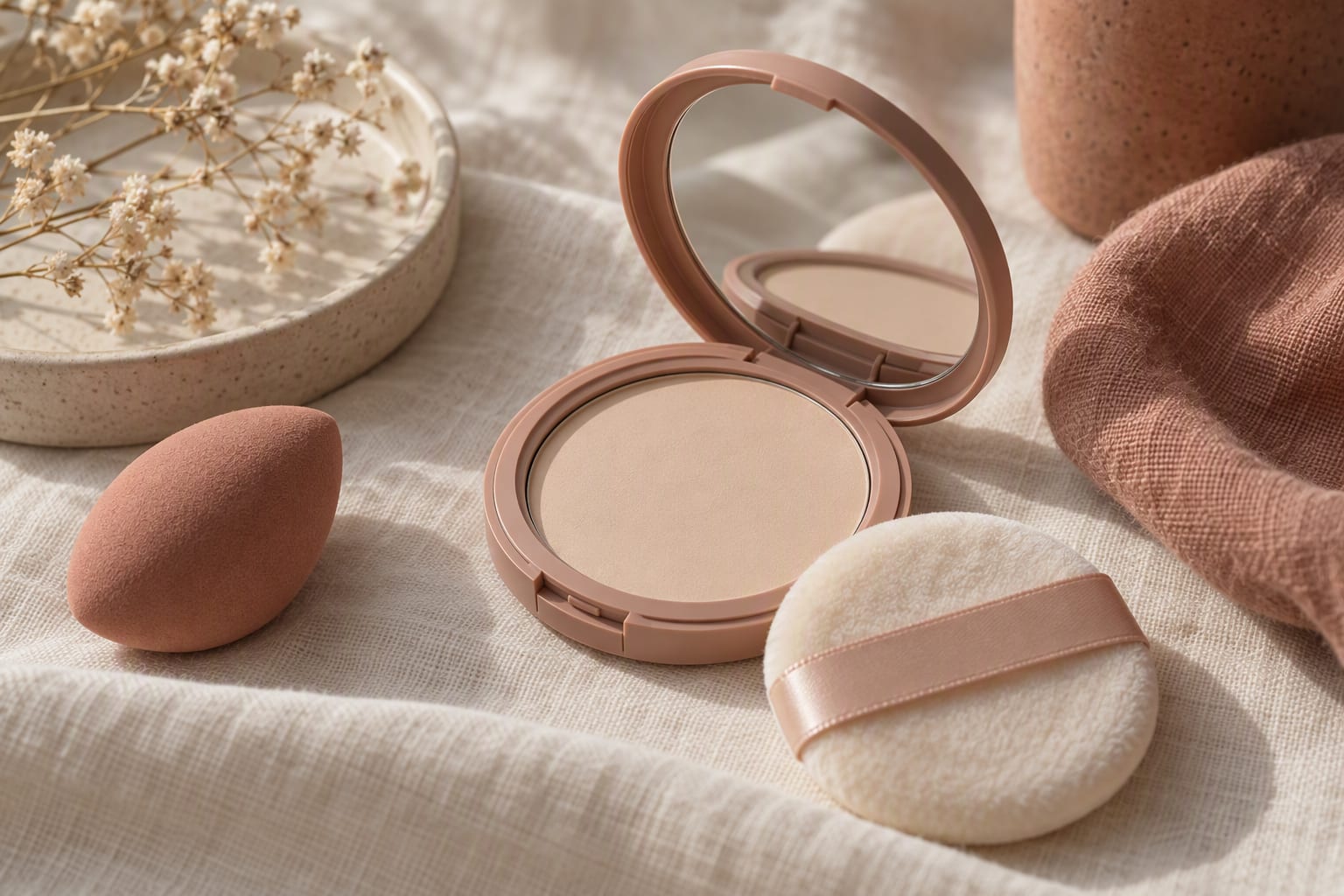
Buy a setting spray and a base that fits your skin type; skip heavy all-over powder, especially in humidity, where hold and comfort trade off against each other.
A long day is the real test of makeup: out the door at seven, a commute, a full day under office lighting, then an evening plan you did not build the morning around. By four o’clock, foundation has settled into fine lines, blush has faded, and the T-zone has turned shiny. None of that means you need more product. It usually means the layers went on in the wrong order or at the wrong weight.
Long wear is a method, not a single long-wear product. Get the method right and even light makeup holds up.
Prep is half the result
Makeup lasts longer on skin that is calm and lightly hydrated, not on skin that is oily from over-washing or flaky from a drying product.
- Cleanse gently. A stripped, tight face produces more oil during the day, and that oil breaks down makeup faster. A mild cleanser is the better base.
- Moisturize, then wait. A light moisturizer gives a smooth surface, but applying foundation straight on top makes it slide. Give it a minute or two to settle.
- Sunscreen, then base. Sunscreen goes on before foundation, not after, and it should dry down before you apply base. This is where a lot of “my foundation pills” problems begin.
- Prime only where you need it. A primer on the T-zone can help oily skin, but a full face of primer under a full face of foundation invites sliding.
If your skin is dry, a richer moisturizer at night does more for daytime wear than any primer.
Layer thin, not thick
The instinct when you want makeup to last is to apply more. It backfires. Thick layers move, crease, and separate faster than thin ones.
- Foundation: apply a thin layer and build only where you need it. A damp sponge presses product in and removes excess at the same time.
- Concealer: use less than you think. A small amount under the eye, tapped in, lasts longer than a heavy swipe that creases.
- Cream before powder: if you use a cream blush or cream bronzer, apply it before you set, so the powder locks it in place instead of sitting on top of it.
- Blend the edges. Unblended edges are the first place makeup breaks down, because they sit on top of the skin rather than in it.
Set the right way
Setting is where long wear is won or lost, and more powder is not the answer.
- Powder only where you shine. Press a light powder into the T-zone, the sides of the nose, and anywhere that gets oily. Leave the cheeks and the under-eye mostly bare, or you will look flat and dry by noon.
- Spray last, and let it dry. A setting spray is the final step, misted over the finished face. Do not touch your face while it dries.
- A light mist beats a heavy soak. Overspraying can make makeup slide, especially in humidity.
| Step | What helps | What hurts |
|---|---|---|
| Prep | Gentle cleanse, light moisturizer, a short wait | Over-washing, heavy primer everywhere |
| Base | Thin layers, damp sponge | Thick layers, applying over wet sunscreen |
| Set | Powder only where you shine | Powder all over the face |
| Finish | One light mist of setting spray | Spraying until the face is wet |
What to skip in humid weather
Humidity changes the rules. In heat and moisture, heavy products melt and cream formulas can slide.
- Skip heavy powder all over the face. In humidity, powder cakes as it mixes with sweat. Powder the T-zone only.
- Skip a rich, heavy foundation. A lighter, buildable base holds better in heat than a thick full-coverage one.
- Skip cream blush if you are very oily in humidity. A cream can migrate on oily skin in the heat, while a powder blush stays put more reliably.
The tradeoff is clear: a matte, long-wear base holds up in heat but can look flat and dry indoors, while a lighter base looks better but needs a touch-up. No formula wins both, so match the day.
Who should buy what, and what not to overpay for
- Buy a setting spray if your main problem is makeup fading or transferring. It is the single most useful long-wear product for most people.
- Buy a long-wear foundation only if you genuinely have long days. On a normal day, it can feel heavy.
- Skip the idea that you need a separate primer, setting powder, and setting spray all at once. Start with one and notice what actually fades.
- Do not overpay for a setting spray in a luxury bottle. The job is to set and lightly hold, and many affordable options do it.
For oily skin, a good oil-control step and a light powder do more than a premium foundation. If your skin is dry and flaky under makeup, that is a skincare problem first, and our skincare section covers the barrier care that makes base wear better. For the rest of the routine, our makeup section has the basics.
The bottom line
Buy a setting spray and a base that matches your skin type, layer everything thin, and powder only where you shine. Skip heavy all-over powder and thick foundation, especially in humidity. The tradeoff is between hold and comfort, and for most days comfort wins, because makeup that looks like skin at seven can still look like skin at seven in the evening.

More in Makeup
View all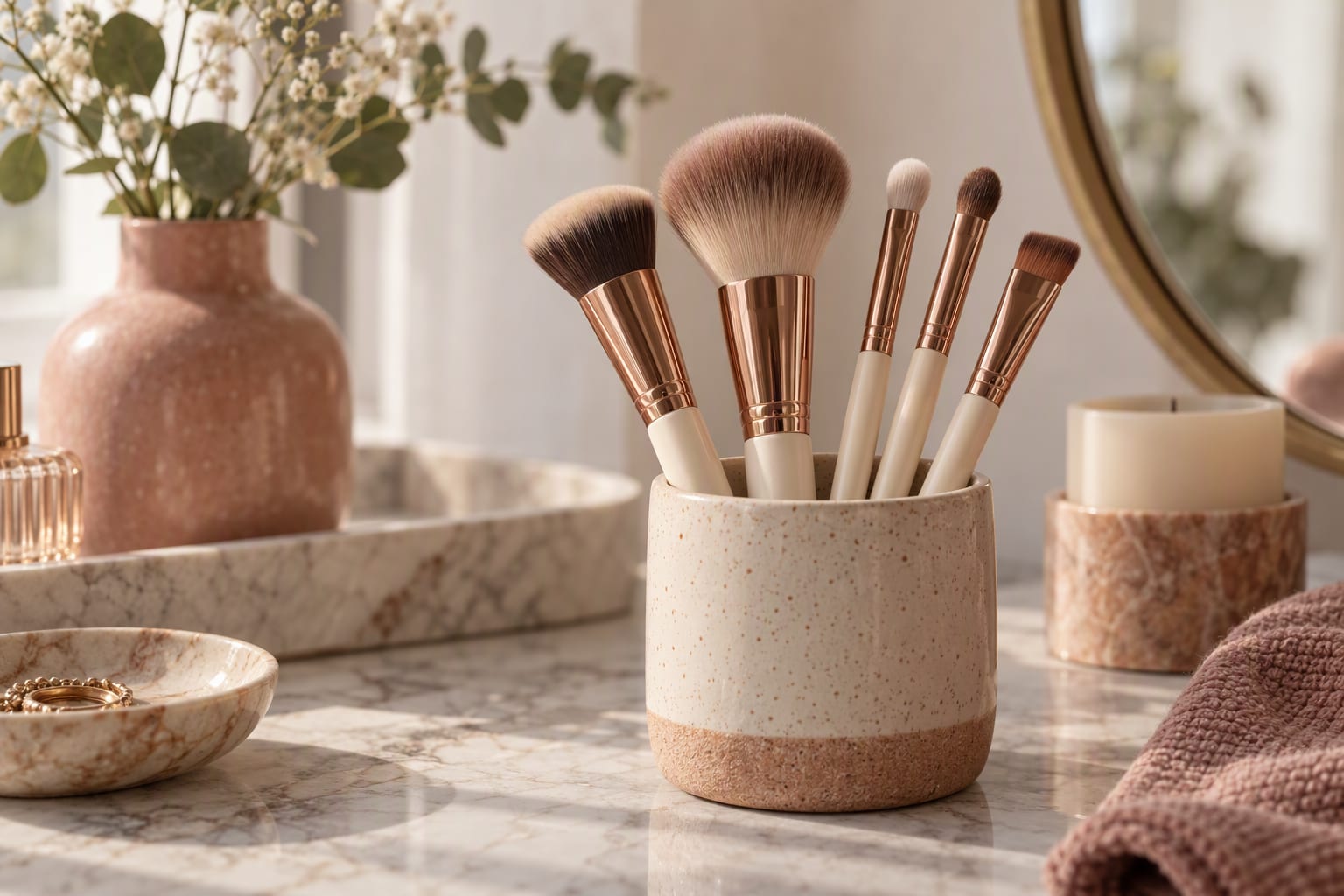
The Five Makeup Brushes You Actually Need
Five brushes cover almost every routine, and the other twenty just add clutter. A practical guide to the shapes that matter, plus how to wash them so they last.
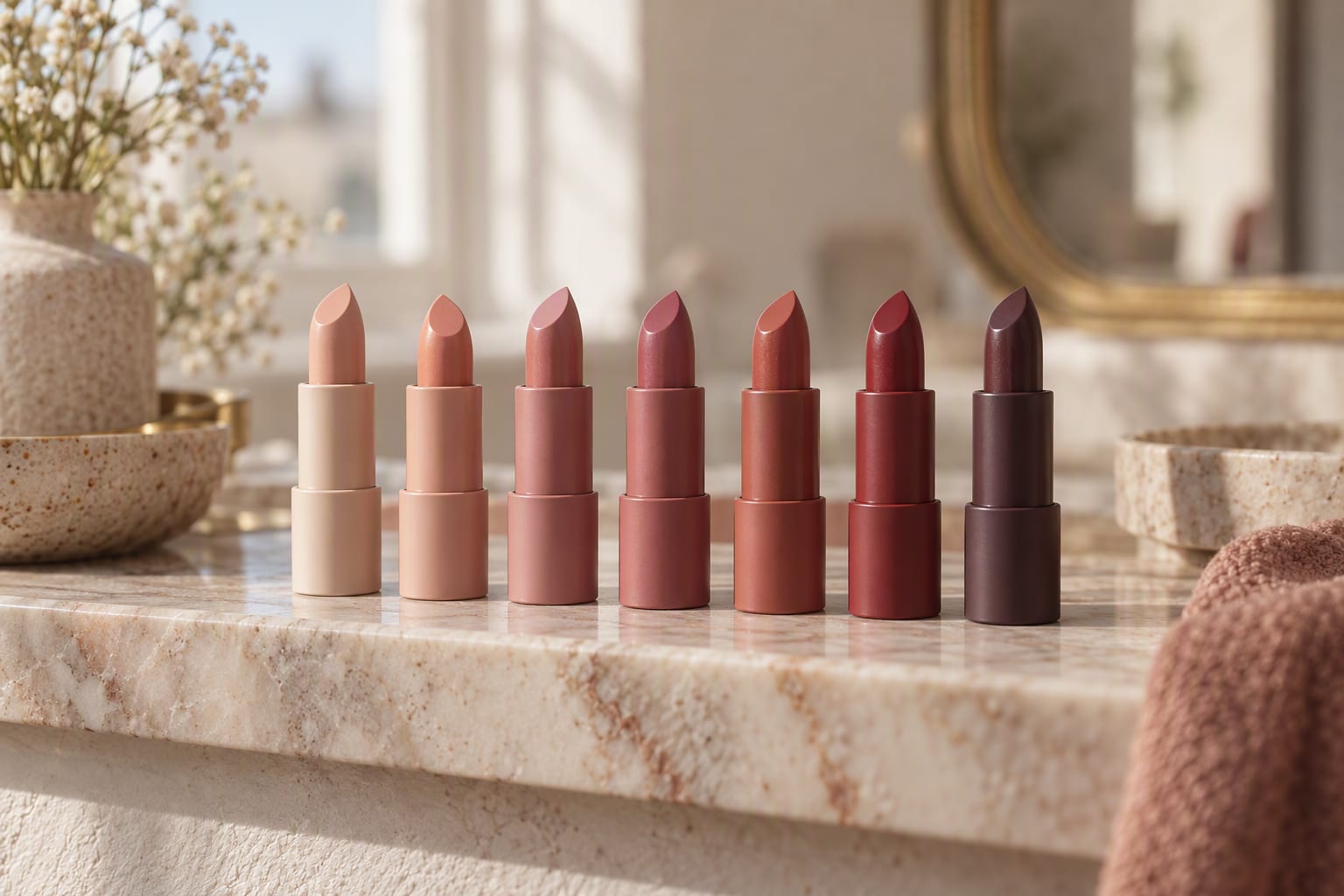
How to Choose Lip Color That Actually Suits You
The tube looked different on you for a reason. How undertone and finish decide lip color, why a swatch on your hand misleads, and how to test a shade that works.
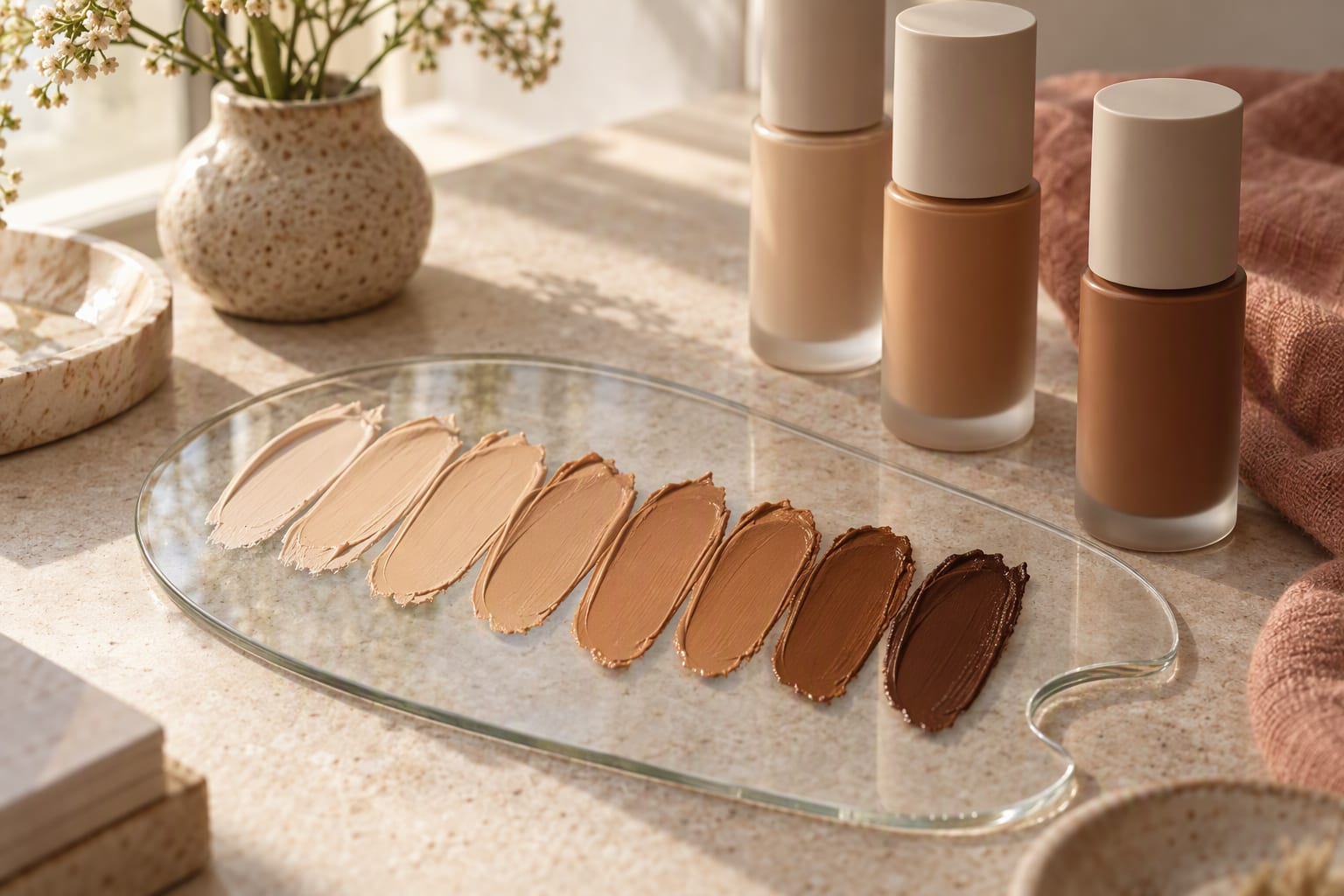
How to Find Your Foundation Shade Without Wasting Money
Depth and undertone are two different things. How to test foundation in daylight, read your own undertone, and fix a shade that sits between two bottles.