The Five Makeup Brushes You Actually Need
Five brushes cover almost every routine, and the other twenty just add clutter. A practical guide to the shapes that matter, plus how to wash them so they last.
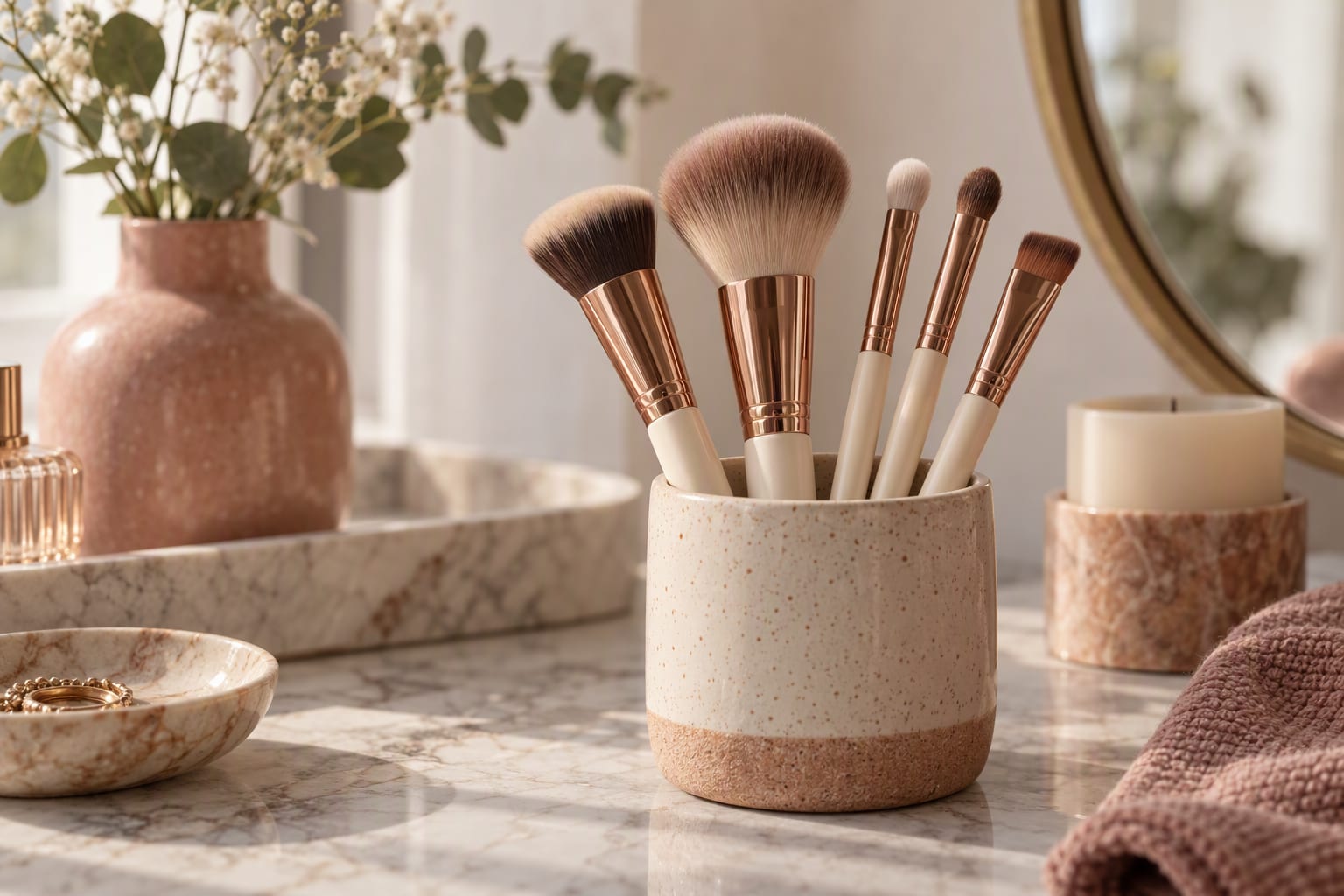
Five clean brushes cover almost every routine; skip the twenty-piece bundle, because the extras only add things to wash.
Most people who wear makeup own too many brushes and use too few. There is a drawer somewhere with a fan brush you have never understood, three near-identical eye brushes, and a tiny angled thing from a gift set. Meanwhile, the same two or three brushes do all the work every morning.
You do not need a full set. You need five, used well, and kept clean. That is the whole list.
The five brushes that earn their place
1. A foundation brush or a sponge
You can apply base with either. A dense, flat-topped brush buffs liquid foundation into the skin quickly, while a damp sponge presses it in for a softer finish. Pick one. If you choose a sponge, it should be damp rather than wet, and it needs cleaning after every use because it holds moisture and product.
2. A powder brush
A large, fluffy brush is for loose or pressed powder, bronzer, and finishing. Its job is to spread product lightly across a wide area. If it is too small, you will press too hard and get patchiness instead of an even veil.
3. A blush brush
A medium, slightly rounded brush places color on the cheek and blends the edge. It should be smaller than the powder brush and softer than the foundation brush. One good blush brush handles powder blush and, with a light hand, bronzer too.
4. A blending brush for eyes
If you own only one eye brush, make it a soft, fluffy blending brush. It softens the crease, diffuses a hard edge, and makes a simple shadow look intentional. Most everyday eye looks need blending more than they need precision.
5. A flat or angled detail brush
A small flat or angled brush does brows, eyeliner, and a smudge of shadow along the lash line. It is the precision brush, and it earns its place because these are the areas a big brush cannot reach.
That is five. Everything else is a variation on one of them.
The twenty you do not need
The extras are not useless. They are just not necessary, and each one adds something to clean.
- Fan brush. Lovely in theory, rarely used. A powder brush does the same job.
- Several sizes of the same eye brush. One blending brush and one flat brush cover most days.
- A twenty-piece set. You will use five and store fifteen.
- A separate brush for every cream product. Creams apply well with fingertips, and fingers blend.
- Contour-specific brushes. A blush brush and a light hand can place a soft contour.
- Bulk spoolies. Useful and cheap, but not a brush you need to think about.
The pattern is simple. The more specialized a brush is, the less often you will reach for it.
How to clean them
Dirty brushes are the most common reason makeup goes patchy and skin gets irritated.
- Liquid brushes (foundation, concealer): clean after each use, or at least every few days, because they hold moisture and bacteria.
- Powder brushes (powder, blush, bronzer): clean every one to two weeks. They stay drier and last longer between washes.
- Eye brushes: clean weekly, and after any eye infection without exception.
The method
- Wet the bristles with lukewarm water and keep the handle dry. Water in the ferrule loosens the glue and shortens the brush’s life.
- Add a drop of gentle soap or brush cleanser to your palm and swirl the bristles in it.
- Rinse until the water runs clear, and repeat if the brush was very dirty.
- Squeeze gently, reshape the bristles, and lay the brush flat to dry with the head slightly lower than the handle so water does not run into the ferrule.
Do not stand brushes upright to dry, because water travels down into the glue. A few minutes of care is the difference between a brush that lasts years and one that sheds after a month.
| Brush | Job | Clean |
|---|---|---|
| Foundation or sponge | Base | After every use |
| Powder | Powder, bronzer | Every one to two weeks |
| Blush | Cheek color | Every one to two weeks |
| Blending | Soften eye shadow | Weekly |
| Flat or angled | Brows, liner, detail | Weekly |
Sets, singles, and what not to overpay for
A starter set can be good value if the bristles are soft and the shapes match the list above, but sets often pad the count with brushes you will not use. Buy the five as singles if you can.
- Buy a set only if it is small and the shapes are the ones above.
- Skip the giant bundle, no matter how cheap it looks per brush.
- Do not overpay for a designer handle. You are paying for the bristles and the shape, not the weight of the handle. Synthetic bristles are the practical choice for creams and liquids, and they are usually the more affordable option.
If you are starting from nothing, a compact set plus a sponge covers almost every routine. Our makeup section has the rest of the basics, and for base, either a brush or a sponge works and personal preference decides it.
The bottom line
Buy five brushes, clean them on a schedule, and skip the twenty that come in a bundle. The tradeoff is real: a set feels like better value per piece, but you only save money if you actually use what you buy. Five good brushes, kept clean, will outperform a drawer of thirty.

More in Makeup
View all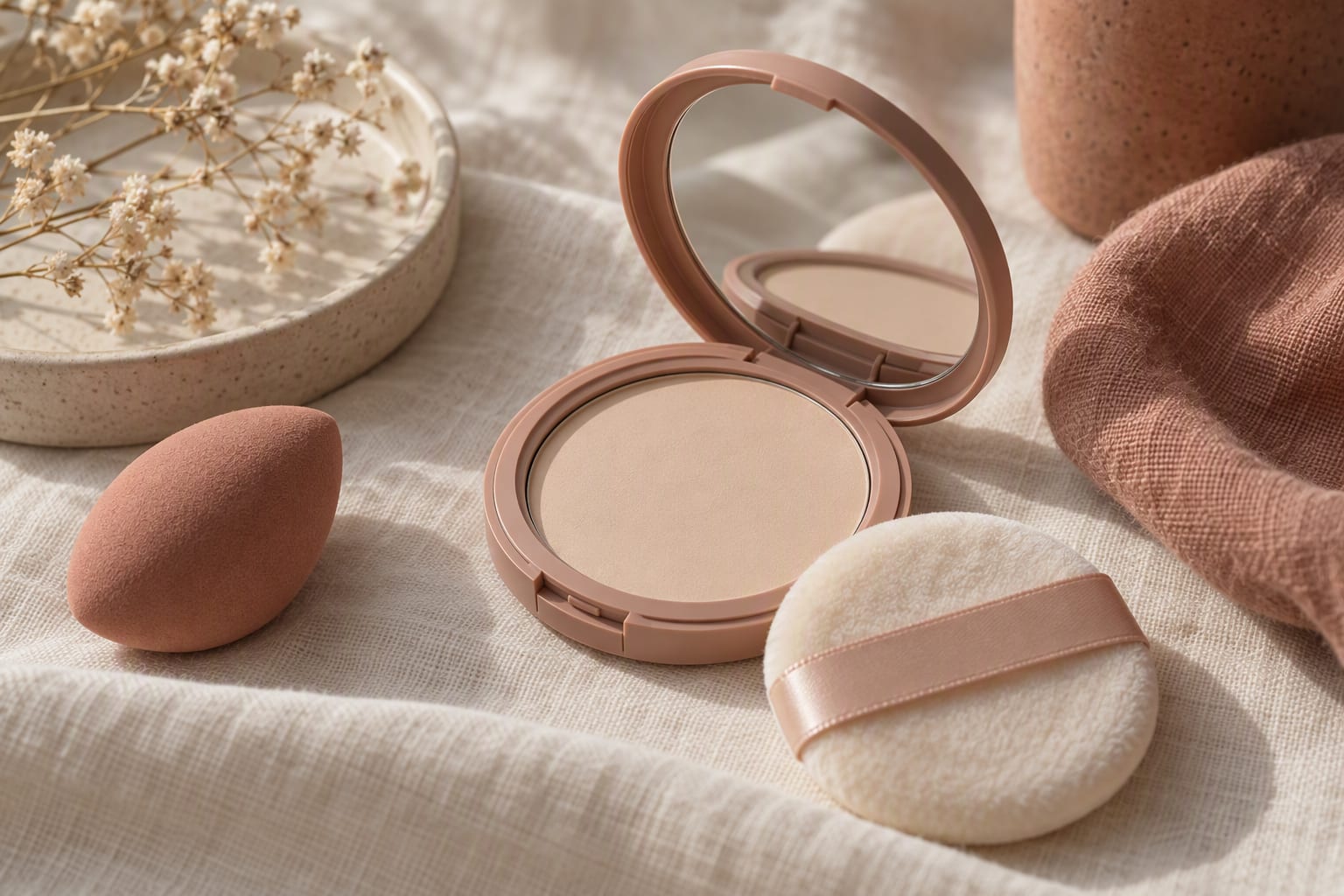
How to Make Your Makeup Last Through a Long Day
Long wear is a method, not a product. How to prep, layer, and set makeup so it survives a commute, an office day, and an evening you did not plan for.
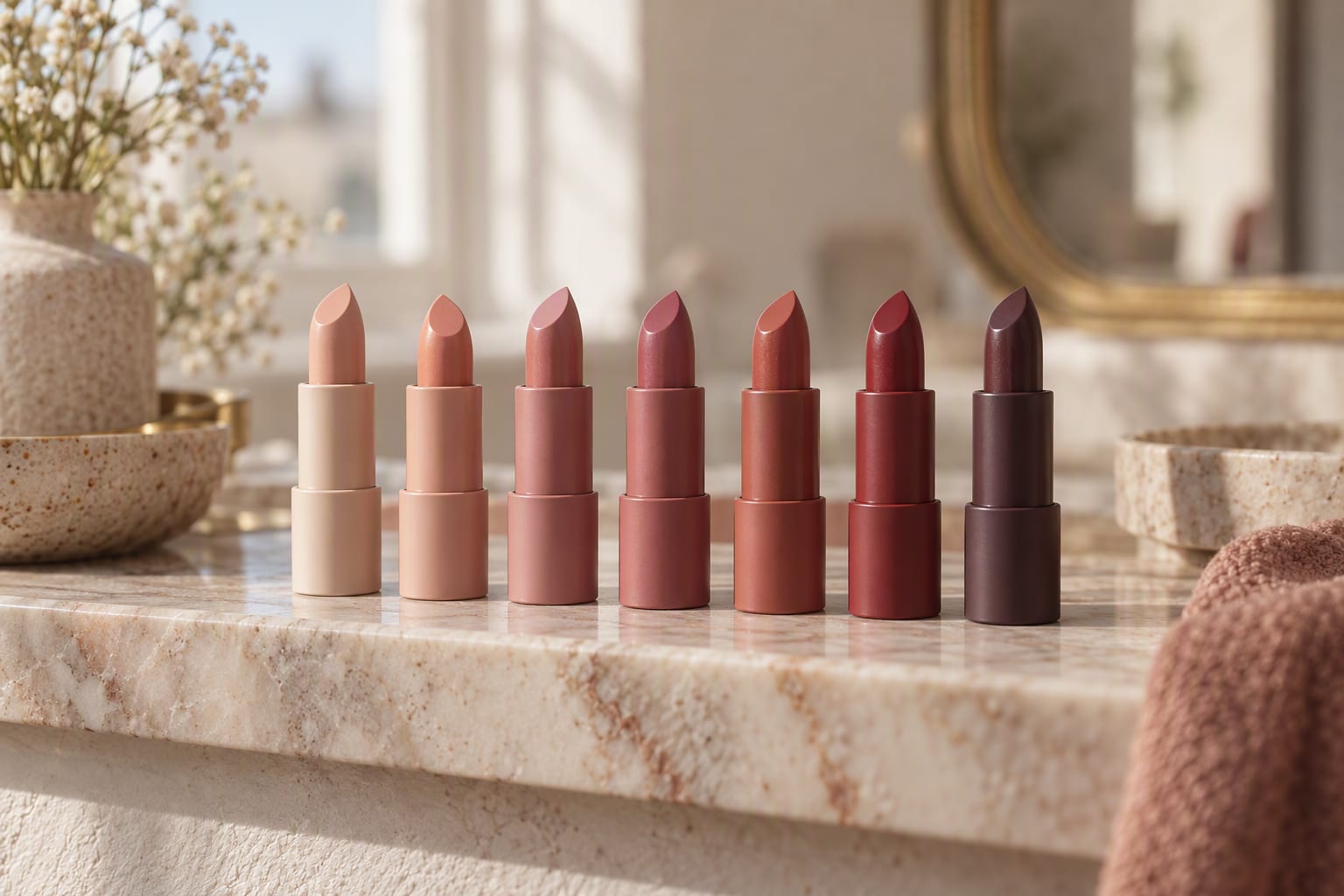
How to Choose Lip Color That Actually Suits You
The tube looked different on you for a reason. How undertone and finish decide lip color, why a swatch on your hand misleads, and how to test a shade that works.
How to Find Your Foundation Shade Without Wasting Money
Depth and undertone are two different things. How to test foundation in daylight, read your own undertone, and fix a shade that sits between two bottles.